Finding the best insurance rates in North Carolina is not about chasing the cheapest number on a screen. It is about matching the right protection to your real life, whether you drive through Charlotte traffic, rent near campus, own a coastal home, or want long-term peace of mind for your family.
Smart shoppers compare auto, home, renters, and life coverage with equal limits, equal deductibles, and clear policy terms. Rates can change based on age, driving history, ZIP code, credit-based rating, property details, claim history, and even whether you live in a busy urban area or a quieter rural county. When you compare carefully, discounts and stronger value often appear together.




Overview of Insurance Pricing in North Carolina
Finding the best insurance rates in NC is not just about chasing the smallest number. The real win is knowing which policies matter, why prices shift, and how to spot value before a cheap premium turns expensive later.
North Carolina shoppers usually compare auto, home, renters, and life insurance, and each category is priced through a different risk lens. Auto rates often react to age, driving record, vehicle type, mileage, and prior claims. Home insurance leans heavily on rebuilding cost, roof age, location, storm exposure, and deductible choice. Renters insurance is usually lower in price, but rates still move based on ZIP code, coverage for personal property, and liability limits. Life insurance pricing depends more on age, health, tobacco use, policy term, and coverage amount. In every case, the cheapest quote may reflect lower limits, higher deductibles, or fewer protections rather than better efficiency.
What Really Moves the Premium Needle
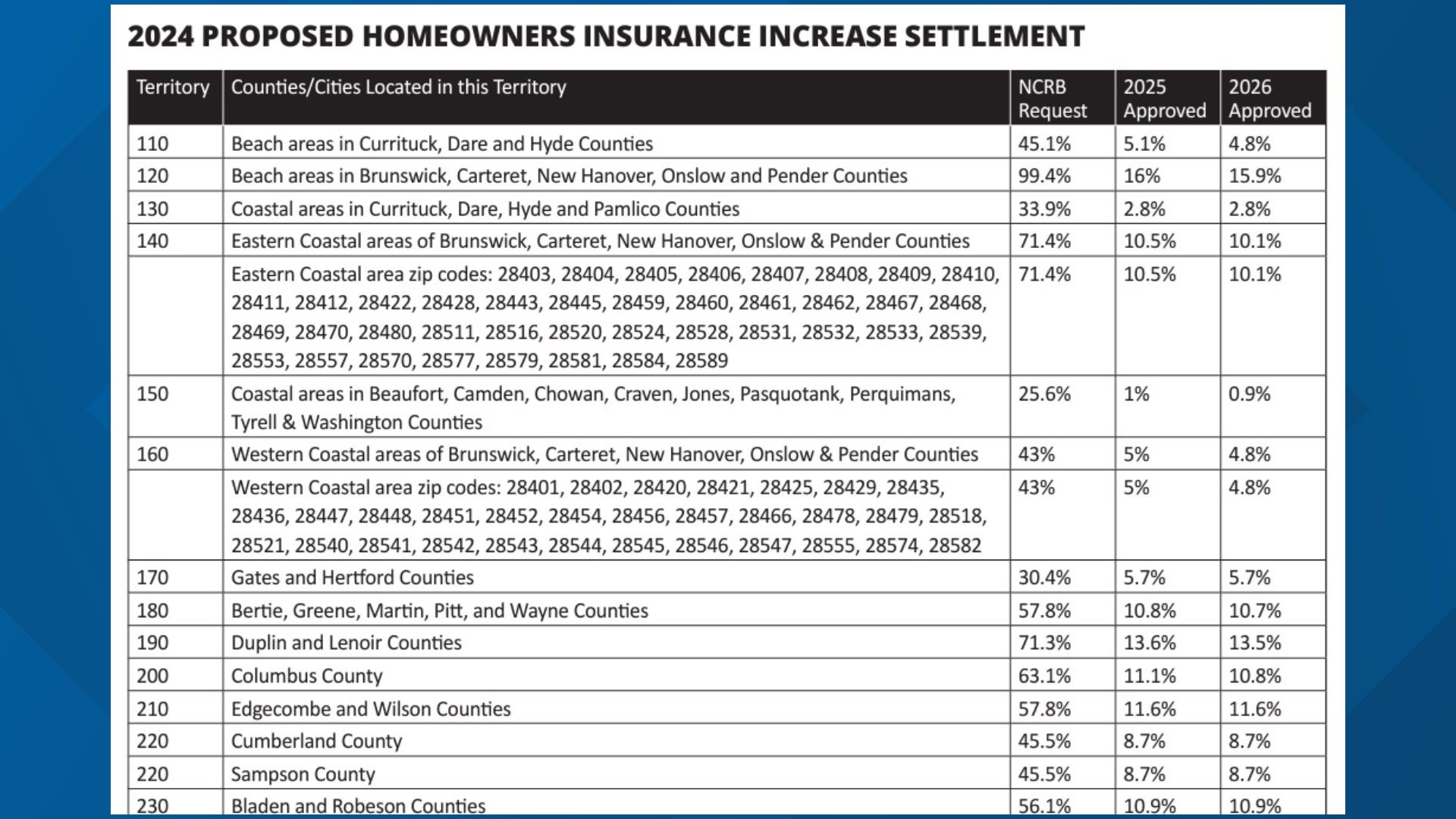
Insurance pricing in North Carolina is shaped by both personal risk and local market conditions. Age and history remain major pricing drivers, especially for auto and life coverage. ZIP code can change rates because insurers study claim frequency, theft patterns, traffic density, wildfire risk, wind exposure, and repair costs in specific areas. Credit-based rating, where allowed for underwriting and pricing purposes, may also influence what some applicants pay. For property insurance, details such as square footage, construction type, roof material, claim history, and distance from a fire station can matter almost as much as the address itself. Coverage limits also play a direct role: higher protection costs more upfront, but it can deliver stronger value when a serious loss happens.
Geography adds another layer. In urban parts of North Carolina, drivers may see higher premiums due to congestion, accident frequency, theft risk, and costly repairs, while homeowners may face higher replacement-cost assumptions. In rural areas, some rates can be lower because of lighter traffic and lower theft, but availability may narrow if insurer networks are thinner or if homes sit farther from emergency services. Coastal zones can be especially sensitive for home insurance because wind and storm exposure may affect price, deductibles, or carrier appetite.
| Factor | Impact on Price | Typical Example | Consumer Action |
|---|---|---|---|
| Age and record | Higher-risk profiles usually pay more | Young driver with a recent ticket | Keep a clean record and re-shop after improvement |
| ZIP code | Claim trends and local hazards affect rates | Busy city corridor versus quiet inland town | Compare carriers because pricing models vary by area |
| Property or vehicle details | Repair and replacement costs can raise premiums | Older roof or expensive SUV | Update features, safety devices, and documentation |
| Coverage limits and deductible | More protection costs more; higher deductible may lower premium | Low-limit auto liability versus broader protection | Balance monthly savings against out-of-pocket risk |
Before calling a policy “cheap,” it helps to separate price from protection. These common myths often confuse shoppers who want lower rates in NC without giving up too much security:
- The lowest premium is not always the best deal if liability limits are too thin.
- A high deductible saves money only if you could realistically afford it after a loss.
- Renters insurance is not pointless just because the landlord insures the building.
- Home insurance price alone does not reveal exclusions for wind, water, or special property.
- Life insurance value is not measured only by cost, but by whether the benefit fits real family needs.
Pro Tip: Strong insurance value usually comes from matching the policy to your actual risk profile, not from automatically choosing the smallest quote on the page.
Top Ways to Find Lower Rates Legally and Safely
Want a better premium without gambling with your protection? The smartest savings in North Carolina come from a methodical quote process, not from stripping coverage to the bone.
Start by keeping your liability limits, uninsured motorist protection, and deductible choices as consistent as possible across insurers. That lets you compare price differences honestly while spotting where one carrier rewards your driving history, homeownership, payment habits, or policy mix more generously than another.
Build a Savings System Before You Buy
The biggest mistake shoppers make is changing too many variables at once. Instead, request quotes using the same driver details, vehicle use, annual mileage, garaging ZIP code, and coverage limits every time. Then test cost-saving adjustments one at a time: a bundle, a telematics program, a higher deductible, or a policy cleanup. This approach protects you from buying a cheaper policy that is only cheaper because it quietly removes something important. In many cases, bundling auto with renters, condo, or homeowners insurance lowers premiums, while safe-driver or telematics programs can reward steady braking, moderate speeds, and low mileage. A higher deductible may reduce monthly cost too, but only choose it if you can comfortably cover that out-of-pocket amount after a claim. Regular policy reviews also matter because old add-ons, outdated mileage estimates, or missing discounts can keep your rate higher than necessary.
Use this quick comparison framework to lower rates without weakening essential protection.
| Method | How It Helps | What To Watch |
|---|---|---|
| Bundle policies | Combines auto with home or renters for multi-policy savings | Confirm each policy is still competitively priced on its own |
| Safe-driver program | Can reduce premiums for careful habits and lower-risk driving | Read how driving data is collected and scored |
| Raise deductible | Lowers premium by shifting more minor-loss cost to you | Do not pick a deductible you cannot pay quickly |
| Review policy yearly | Removes outdated items and uncovers missed discounts | Keep adequate liability and uninsured motorist limits |
North Carolina drivers should also ask directly about discounts because many do not appear automatically on every quote. Common opportunities include multi-policy, paperless, automatic payment, good student, military, homeowner, paid-in-full, low-mileage, vehicle safety feature, and loyalty discounts. Loyalty savings can help, but never assume staying put beats remarketing your policy every renewal cycle.
To get clean, apples-to-apples quotes, follow a repeatable process instead of casual shopping.
- Choose one coverage template with the same limits, deductibles, and optional coverages.
- Gather the same driver and vehicle details before contacting any insurer.
- Request quotes for identical effective dates to avoid timing-based price shifts.
- Ask each insurer to list every discount applied and every discount still available.
- Price the policy with and without bundling to verify the real savings.
- Test one deductible increase at a time and compare the premium difference.
- Review exclusions, roadside perks, rental reimbursement, and claim service ratings.
- Recheck the final quote before purchase so no coverage was reduced to force a lower price.
Pro tip: A low premium feels good for a month; solid liability limits and dependable claims handling protect you for years. Save money strategically, but never let affordability erase the coverage that matters most after a serious crash.
Best Insurance Options by Driver or Household Profile
The best insurance rates in NC rarely go to the “average” shopper; they go to the driver or household that matches coverage to real risk with precision. When you shop by profile instead of by price alone, you uncover smarter savings and fewer expensive surprises.
Different households trigger different pricing models. A teen driver, a retired low-mileage couple, a renter with one car, and a homeowner with multiple policies can all see sharply different premiums even when they live in the same ZIP code. The winning move is to pair the right discounts with the right protection, especially around liability, collision, comprehensive, uninsured motorist, and replacement cost choices.
Profile-Based Coverage Matchups That Can Change the Price Fast
Young drivers usually pay more because of limited driving history, while seniors may save through lower mileage but still face pricing shifts tied to claims trends or vehicle type. Families often benefit most from bundling and multi-car discounts, homeowners can unlock stronger package pricing, renters may still save by combining auto with renters coverage, and drivers with past violations often need to focus on comparison shopping and deductible balance rather than chasing bare-minimum premiums. For commuters, higher annual mileage raises exposure, so liability, collision, and uninsured motorist matter more. Low-mileage drivers may lean toward maintaining solid liability while trimming optional features only when the car value truly supports it. High-value homes need careful replacement cost protection and higher liability limits, while first-time policyholders should avoid underinsuring just to get a lower starting quote.
| Profile | Likely Cost Drivers | Useful Discounts | Suggested Coverage Focus |
|---|---|---|---|
| Young drivers | Age, limited record, financed car | Good student, driver training, family multi-car | Strong liability, collision if car is newer, uninsured motorist |
| Seniors or low-mileage households | Age band, claims history, vehicle repair cost | Low-mileage, bundle, defensive driving | Liability, comprehensive, right-sized collision |
| Families, homeowners, renters | Multiple drivers, multiple vehicles, property exposure | Bundle, multi-policy, multi-car, home safety credits | Higher liability, uninsured motorist, replacement cost for home/personal property |
| Drivers with violations or first-time buyers | Tickets, accidents, no prior insurance, credit-based factors where allowed | Telematics, pay-in-full, automatic payments | Do not skimp on liability; add comprehensive if theft/weather risk is meaningful |
Use these profile cues to shop more intentionally, because the cheapest quote on screen may be the weakest fit in real life.
- A commuter driving 18,000 miles a year usually needs more attention on liability, collision, and uninsured motorist than a retiree driving 5,000 miles.
- A homeowner with a high-value property should prioritize dwelling replacement cost and umbrella-style liability thinking, not just auto bundle savings.
- A renter can still reduce costs through bundling while protecting belongings and preserving stronger auto liability limits.
- A first-time policyholder often benefits from simple, dependable coverage structure instead of ultra-low limits that create claim-time stress.
Pro Tip: If your car is older, dropping collision can make sense only after comparing the car’s actual value against your deductible and annual premium.
Even similar households can land very different premiums because insurers price details, not labels.
- Household A and Household B both have two parents and one teen driver, but Household A gets a lower premium because the teen has good grades, drives an older paid-off sedan, and logs fewer miles.
- Two retired couples may look identical on paper, yet one pays more because they drive a luxury SUV daily, keep lower deductibles, and had a recent comprehensive claim.
- Two homeowners in the same town may receive different bundled rates because one has a newer roof and higher credit stability, while the other has prior water damage claims.
North Carolina Rules, Minimum Requirements, and Cost Traps
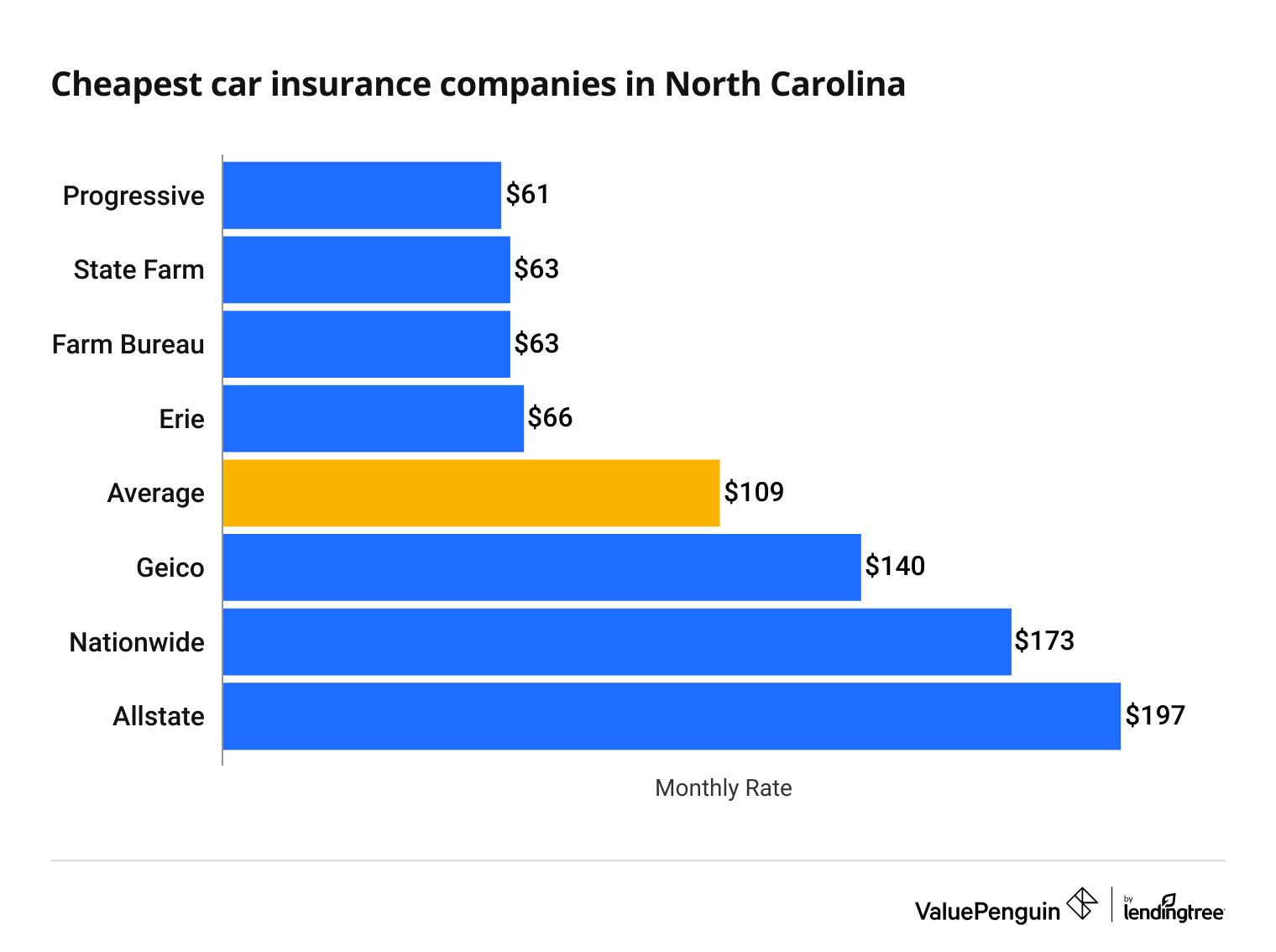
The cheapest quote in North Carolina can look brilliant on day one and brutal on claim day. A low premium only wins if the policy still protects your car, your savings, and your ability to stay legally insured.
North Carolina requires liability coverage before a vehicle can be registered and legally driven, but the state minimum is only a floor, not a safety net. Minimum limits can satisfy the law while still leaving you exposed after a serious crash, uninsured driver incident, or policy lapse that triggers penalties and higher future rates.
Fine Print That Quietly Changes the Real Price
North Carolina drivers generally need at least 30/60/25 liability limits: $30,000 for bodily injury per person, $60,000 per accident, and $25,000 for property damage. Policies also commonly include uninsured/underinsured motorist protection tied to liability rules, which matters because one badly underinsured crash can cost far more than a bargain quote saves. If you finance or lease a car, your lender may also require collision and comprehensive, even though the state does not.
Where cheap policies become expensive later is in the extras and restrictions. Watch for installment fees, reinstatement charges after missed payments, lapse penalties, excluded drivers, low claim caps, and high deductibles. A policy can advertise a low monthly number while shifting real risk back to you. Underinsurance is the biggest trap: if repairs, medical bills, or lawsuits exceed your limits, you may pay the gap yourself.
Pro Tip: If raising liability limits adds only a modest amount, it is often the smartest money in the entire quote because it protects assets, income, and future rate stability.
Read these policy terms carefully before you buy, especially if the quote seems unusually cheap:
- Deductible: What you pay before collision or comprehensive coverage starts.
- Endorsements: Added terms that can expand or restrict coverage.
- Claim limits: Maximum payout amounts for injuries, property, rental, towing, or custom equipment.
- Waiting periods: Time before certain coverages or changes become active.
- Cancellation rules: When the insurer can cancel, non-renew, or charge to reinstate.
- Named-driver exclusions: Specific people who will not be covered if they drive.
Use this quote-review checklist before purchase so the “best rate” is not just the smallest number on the page:
- Confirm liability limits meet North Carolina law and fit your real financial risk.
- Check whether uninsured/underinsured motorist coverage is included and at what limits.
- Verify deductibles for collision and comprehensive, not just the premium.
- Scan for fees: installment, paper billing, late payment, reinstatement, and policy rewrite charges.
- Review exclusions, especially household drivers, business use, rideshare use, and aftermarket parts.
- Read cancellation and grace-period language so one missed payment does not create a costly lapse.
| Requirement | What It Covers | Possible Limitation | When to Upgrade |
|---|---|---|---|
| 30/60/25 Liability | Injuries and damage you cause to others | May be too low for major crashes or lawsuits | If you own a home, have savings, or drive often |
| Uninsured/Underinsured Motorist | Your losses when the other driver lacks enough coverage | Can still fall short in severe injury cases | If you commute daily or carry passengers often |
| Collision | Damage to your car after an at-fault crash | High deductible can erase small-claim value | If your car has strong market value or a loan |
| Comprehensive | Theft, hail, fire, vandalism, animal damage | Does not cover mechanical breakdown | If replacing the car out of pocket would hurt |
How to Compare Quotes the Smart Way
The lowest number on the screen is not always the best insurance rate in NC. Smart shoppers compare like for like, so the cheapest quote does not quietly strip away protection, service, or flexibility.
Start by making every insurer price the same coverage limits, the same deductibles, and the same optional add-ons. If one quote uses higher deductibles, lower liability limits, or skips key endorsements, it may look cheaper while delivering less value when you actually need help.
Quote-Matching Blueprint for Fair Comparisons
Use one reference quote as your template, then require each insurer to mirror it as closely as possible. Ask for matching bodily injury and property damage limits, matching comprehensive and collision deductibles, and matching endorsements such as rental reimbursement, roadside assistance, uninsured/underinsured motorist coverage, gap coverage, or accident forgiveness when applicable. This is where true apples-to-apples comparison begins.
| Comparison Item | What Must Match | Why It Matters |
|---|---|---|
| Liability limits | Same per-person, per-accident, and property damage amounts | Lower limits can make a quote look cheaper but leave larger out-of-pocket risk |
| Deductibles | Same collision and comprehensive deductible | Higher deductibles reduce premium but increase claim-time cost |
| Endorsements | Same optional coverages and exclusions | Missing add-ons can create hidden gaps |
| Payment structure | Same billing mode when possible | Monthly fees, installment charges, or paid-in-full discounts change real cost |
Price matters, but it should compete alongside reputation and usability. Look at complaint patterns, claims satisfaction, repair network quality, billing flexibility, app or portal convenience, and how quickly support answers basic questions. A slightly higher premium may be worthwhile if the insurer has stronger claims handling, fewer billing headaches, and easier policy changes.
To request accurate quotes, gather your key information before you start. This reduces estimate errors and prevents big jumps later when underwriting verifies details.
- Driver details: full names, birth dates, license numbers, years licensed, and recent accidents or violations
- Vehicle details: VIN, year, make, model, trim, ownership status, annual mileage, and garaging ZIP code
- Current policy details: declarations page, current limits, deductibles, endorsements, and renewal date
- Household details: address, other drivers in the home, bundling needs, and prior insurance history
- Discount proof: defensive driving, student status, telematics interest, military or professional affiliations when relevant
Once your information is ready, compare 3 to 5 quotes using a fixed process so hidden differences do not slip through.
- Create one coverage template and send it to every insurer or agent.
- Confirm each quote uses identical limits, deductibles, and endorsements.
- Check whether the price shown is monthly, six-month, or annual.
- Review fees, down payment requirements, and paid-in-full discounts.
- Ask how claims are filed, how repairs are handled, and whether local agent support is available.
- Read exclusions, named-driver restrictions, and any coverage that was declined by default.
- Mark the best two quotes, then request a final revised version if anything does not match.
Pro Tip: Before paying, review the final declarations page line by line. Make sure the vehicles, drivers, limits, deductibles, endorsements, discounts, and premium all match what you expected, because the declarations page is the clearest snapshot of what you are actually buying.
The final check is simple but powerful: compare the insurer you choose not only on premium, but on total ownership experience including claims confidence, billing options, digital tools, and support quality. That is how a quote becomes a smart buy instead of a short-term bargain.
Examples, Scenarios, and Visual Content Directions
The fastest way to understand best insurance rates in NC is to see how real households can shift a quote from merely acceptable to genuinely affordable. These scenarios turn abstract pricing factors into practical, believable outcomes.
Each example reflects everyday North Carolina life, from city commuting to coastal weather exposure. The goal is not to promise identical premiums, but to show how deductibles, bundling, credit improvement, and claims patterns can influence what people actually pay when they shop with focus and ask sharper questions.
Real-Life Rate Snapshots That Make Pricing Click
Picture four common NC situations: a cautious Charlotte commuter, a homeowner near the coast balancing storm risk, a college renter watching every dollar, and a suburban family managing multiple policies. In each case, the starting price is shaped by location, property type, driving record, and prior insurance behavior, while the best savings often come from one or two well-timed adjustments rather than dramatic coverage cuts.
| Scenario | Starting Rate Factors | Cost-Saving Adjustment | Expected Result |
|---|---|---|---|
| Safe driver in Charlotte | Clean record, daily commute, newer sedan, dense traffic ZIP code | Raise collision deductible from $500 to $1,000 and bundle with renters | Noticeable premium drop, often with strongest savings from the bundle |
| Coastal homeowner | Wind exposure, older roof, higher dwelling value, prior small water claim | Improve roof certification, increase deductible, maintain claim-free period | Better eligibility and steadier pricing at renewal, though storm-related costs may stay elevated |
| College renter | Shared apartment, limited belongings, first-time policyholder, thin credit file | Choose realistic personal property limits and build stronger credit habits | Low-cost renters coverage becomes more competitive over time |
| Suburban family | Two cars, teen driver, single-family home, active household schedule | Bundle home and auto, review teen-driver vehicle assignment, consider higher deductibles | Bundling can soften the added cost of a young driver and simplify renewals |
Here is how those changes usually play out in real shopping conversations.
- Deductible adjustments: Higher deductibles often reduce monthly or annual premiums, but they only work well if the household can comfortably cover that out-of-pocket amount after a loss.
- Bundled coverage: Pairing auto, home, or renters insurance may unlock stronger pricing than buying policies separately, especially for families or urban professionals.
- Improved credit profile: Fewer late payments and lower balances can help some shoppers qualify for more favorable pricing tiers over time.
- Claims history: Even one recent claim can limit discounts, while a longer claim-free stretch may support better renewal offers.
For visual content, keep the scenes grounded and easy to trust. Show a Charlotte driver at a kitchen table comparing two auto policy declarations beside a laptop; a coastal homeowner reviewing a coverage chart with wind and deductible figures highlighted; a college renter on a sofa checking a simple renters checklist on a phone; and a suburban couple speaking with a licensed agent in a bright office with children’s backpacks or car keys visible nearby. The tone should feel clear, local, and practical, not staged or overly corporate.
Use these scenario-specific strategy notes to add texture without repeating broader quote-shopping advice.
- Charlotte driver: Ask whether mileage, parking setup, or anti-theft features affect pricing in your ZIP code.
- Coastal homeowner: Verify whether separate wind, flood, or named-storm deductibles could change total out-of-pocket risk.
- College renter: Do not overinsure low-value items, but do document electronics and bikes clearly.
- Suburban family: Recheck policy limits after adding a teen driver, major appliance upgrades, or a home remodel.
Pro Tip: The cheapest-looking quote is not always the best-value quote. A modest premium increase can be worth it when it removes a risky coverage gap or makes a claim easier to manage.
Last Word
The most affordable policy is the one that still protects you when life gets expensive. Review quotes line by line, question weak limits, and look beyond promotional pricing. With steady comparison, practical discounts, and the confidence to ask better questions, you can move closer to coverage that feels lighter on your budget and stronger when it matters most.
FAQ
What insurance types do people compare most in North Carolina?
Most shoppers compare auto, home, renters, and life insurance because each protects a major part of daily financial risk.
What factors affect insurance prices in NC the most?
Common pricing factors include age, driving record, ZIP code, credit-based rating, home features, vehicle type, claims history, and chosen coverage limits.
Do city and rural areas change premiums?
Yes. Urban areas often see higher premiums from traffic, theft, and claim frequency, while rural areas may have fewer carrier options or different property risks.
How can I lower rates without cutting important coverage?
Compare 3 to 5 quotes using matching limits, ask about bundling, review safe-driver programs, consider a higher deductible, and update your policy yearly.
Which discounts are common in North Carolina?
Many insurers offer multi-policy, paperless, good student, military, homeowner, loyalty, low-mileage, and safe-driver discounts.
What are common mistakes when buying a cheap policy?
People often overlook weak liability limits, high deductibles, exclusions, waiting periods, lapse penalties, and endorsements missing from the quote.
What should I review before paying for a policy?
Check the declarations page, limits, deductibles, endorsements, cancellation rules, claim limits, billing terms, and whether uninsured motorist or replacement cost options are included.