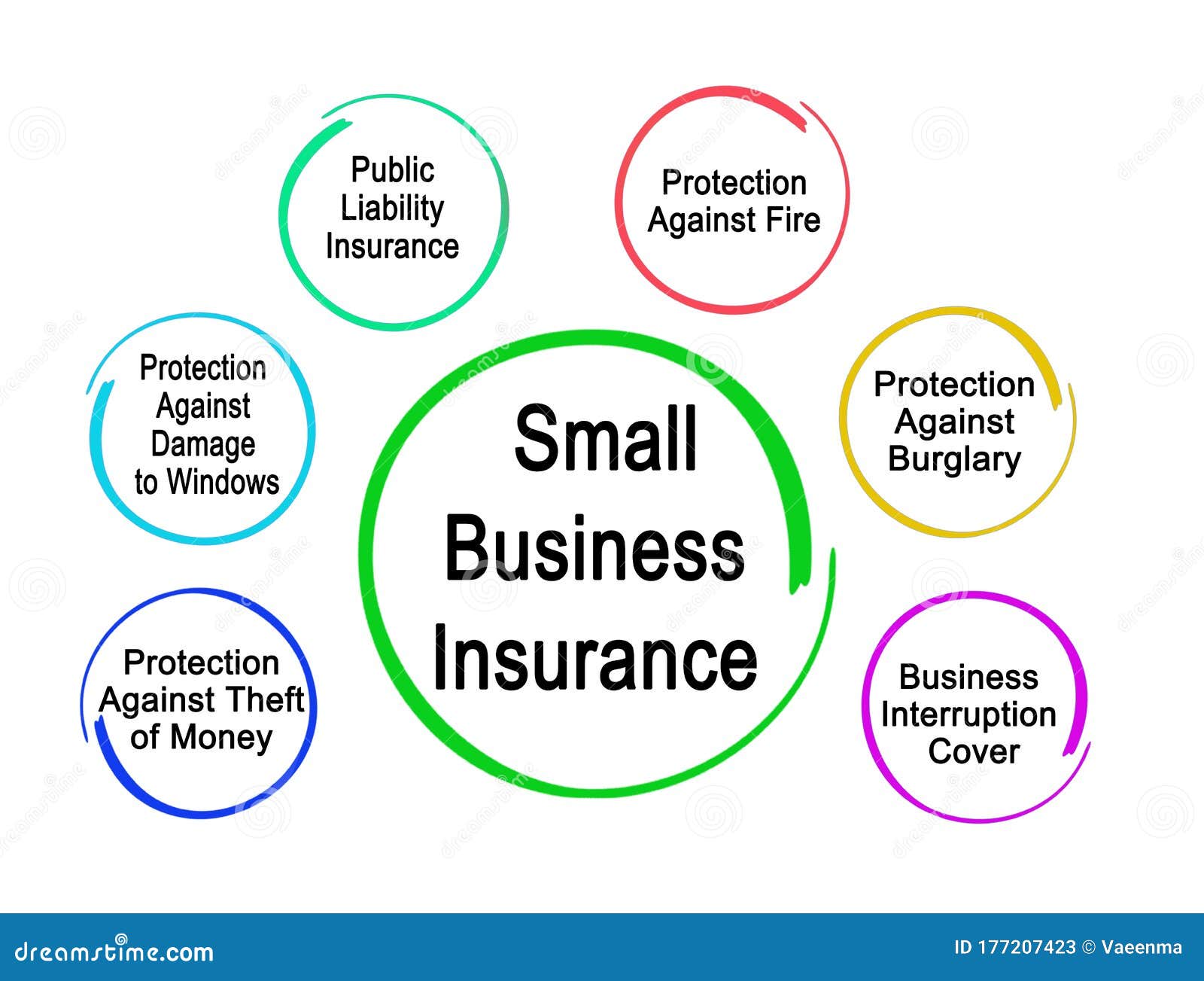
Every small business runs on courage, but courage alone cannot stop a lawsuit, a fire, a stolen laptop, or a sudden shutdown. Small business insurance is the quiet force that keeps daily operations moving by protecting property, employees, customer interactions, and the cash flow that holds everything together.
Whether you run a retail shop, consulting studio, home-based brand, or online store, your risks are never identical. Industry, location, payroll, inventory, contracts, and digital exposure all shape the protection you need. The right policy does more than pay claims; it gives you room to recover, rebuild, and keep your business story moving forward with confidence.





Understanding Small Business Insurance Basics

Small business insurance is not just paperwork for worst-case scenarios; it is a practical shield for the business you are building every day. When something unexpected hits, the right policy can turn a major setback into a manageable problem.
In simple terms, small business insurance is a group of policies designed to protect a company from financial loss tied to accidents, property damage, legal claims, employee-related incidents, and operational disruption. It helps cover the real moving parts of a business: the storefront, tools, stock, website equipment, payroll pressure, and even claims from customers or vendors. For a small company with tighter cash flow, insurance supports daily operations, physical assets, people, and long-term financial stability when one event could otherwise drain savings or stop income entirely.
Where Everyday Risk Turns Into Real Money
The most common threats vary in detail but not in seriousness. Retail businesses often face slip-and-fall accidents, damaged inventory, theft, and equipment breakdown. Service businesses may deal with client disputes, accidental property damage, or mistakes in professional work. Home-based businesses can be exposed to limited protection under standard home policies, especially when storing inventory or meeting clients. Online businesses face risks tied to shipping losses, data issues, service interruptions, and product liability. In every model, insurance matters because small disruptions can create fast, expensive consequences.
Insurance needs are never one-size-fits-all. A solo consultant usually has a different exposure profile than a growing shop with staff, foot traffic, and rented space. Industry matters because hazards are different: a bakery handles ovens and walk-in customers, while a digital agency handles contracts and client data. Location matters because weather, crime rates, lease requirements, and local regulations change the level of exposure. Customer interaction matters too; the more people enter your space, use your product, or rely on your advice, the more likely a claim becomes. That is why coverage should match how the business operates, where it operates, and who it serves.
| Risk Type | Typical Impact | Suitable Coverage | Example Business |
|---|---|---|---|
| Customer injury | Medical bills, legal costs | General liability insurance | Retail boutique |
| Property damage or theft | Repair, replacement, lost stock | Commercial property insurance | Home-based craft seller |
| Work mistakes or advice errors | Lawsuits, settlements, defense fees | Professional liability insurance | Marketing consultant |
| Business interruption | Lost income, ongoing expenses | Business interruption coverage | Online store or cafe |
Here are practical moments when insurance can reduce losses and keep a small business moving:
- A customer slips on a wet floor, and liability coverage helps pay medical and legal expenses.
- A break-in destroys inventory or tools, and property coverage helps replace essential items faster.
- A client claims your service caused financial harm, and professional coverage helps with defense costs.
- A fire, storm, or power event pauses operations, and interruption coverage helps offset lost income and fixed bills.
- An employee gets hurt while working, and workers’ compensation can help with medical care and wage support.
Pro Tip: Think of insurance as a cash-flow protector, not only a legal requirement. The right protection helps a small business survive the kind of surprise expense that usually arrives without warning.
Core Coverage Types Every Owner Should Know
The right insurance mix does more than check a legal box; it keeps one bad day from becoming a business-ending bill. Think of each policy as protecting a different pressure point in your operation.
Some cover harm to other people, some protect your physical assets, and others step in when your team, advice, systems, or income stream take a hit. The smartest move is knowing what each policy is built for, where its limits usually begin, and which business models gain the most value from carrying it.
Your Six-Policy Protection Map
General liability helps when third parties claim bodily injury, property damage, or advertising injury. It often excludes employee injuries, professional mistakes, and intentional acts, making it ideal for shops, cafes, contractors, and any business that interacts with customers in person.
Commercial property protects buildings, inventory, furniture, tools, and equipment from covered events such as fire, theft, or storms. It usually excludes normal wear and tear, certain floods, and earthquakes unless added separately. It fits retailers, offices, restaurants, manufacturers, and businesses with valuable physical assets.
Workers’ compensation covers medical costs, lost wages, and rehabilitation when employees get hurt or sick because of work. It commonly excludes independent contractors and injuries caused by intoxication or intentional misconduct. It matters most for businesses with staff, especially in construction, hospitality, logistics, and healthcare.
Professional liability, also called errors and omissions insurance, addresses claims that your advice, service, or work caused a client financial loss. It usually does not cover bodily injury or property damage already handled elsewhere. Consultants, designers, accountants, agencies, and IT service firms benefit heavily from it.
Business interruption replaces lost income and may help with ongoing expenses if a covered event temporarily shuts down operations. It usually requires direct physical damage from a covered cause, so utility failures, pandemics, or uncovered disasters may fall outside protection. It is especially useful for storefronts, restaurants, and production-dependent businesses.
Cyber insurance helps with breach response, data recovery, legal costs, notification expenses, and sometimes ransomware losses. It often excludes poor security practices, prior-known incidents, or some social engineering losses without endorsements. Any business storing customer, payment, employee, or health data should consider it essential.
| Coverage Name | Protection Focus | Ideal Business Type | Common Claim Example |
|---|---|---|---|
| General Liability | Third-party injury or property damage | Retail, food service, contractors | Customer slips on a wet floor |
| Commercial Property | Buildings, inventory, equipment | Shops, offices, manufacturers | Fire damages stock and tools |
| Workers’ Compensation | Employee job-related injuries | Any employer, especially higher-risk trades | Worker strains back lifting supplies |
| Professional Liability | Service errors and advice-related losses | Consultants, agencies, accountants | Client sues over costly filing mistake |
| Business Interruption | Lost income during shutdown | Storefront and operations-heavy firms | Storm closes restaurant for weeks |
| Cyber Insurance | Data breach and digital incident costs | E-commerce, healthcare, professional services | Hackers expose customer records |
Here are practical claim scenarios that show how these protections work in real life:
- A visitor trips over loose flooring, needs treatment, and demands compensation for medical bills.
- A power surge fries point-of-sale systems, laptops, or refrigeration equipment needed to keep revenue flowing.
- An employee falls from a ladder, misses work, and requires ongoing physical therapy.
- A phishing attack exposes customer payment data and triggers notification, legal, and recovery costs.
- A consultant, bookkeeper, or designer delivers flawed work that causes a client measurable financial loss.
For many smaller companies, a Business Owner’s Policy (BOP) can simplify protection by bundling general liability and commercial property, often at a lower cost than buying them separately. Some insurers let owners add business interruption and other endorsements, creating a more streamlined safety net without juggling multiple standalone policies from day one.
Pro Tip: A bundle is efficient, but not universal. Service-based firms may still need professional liability added separately, and digitally active businesses often need cyber coverage beyond a basic package.
How to Choose the Right Policy for a Small Business
Buying insurance should feel like building a smart safety net, not throwing darts in the dark. The right policy starts with knowing exactly where your business could lose money, pause operations, or breach a contract.
Before comparing quotes, map your business from the ground up: what you own, what you sell, who you employ, where you operate, and what promises you have already made to landlords, lenders, and clients. That simple discipline helps you choose coverage that is practical, defensible, and sized for reality rather than guesswork.
Risk-Mapping Before You Buy
Use this step-by-step method to filter options with confidence. First, identify your biggest exposures: property damage, lawsuits, employee injuries, cyber incidents, business interruption, equipment breakdown, and professional mistakes. Next, rank each risk by how likely it is and how expensive it would be. A shop with high-value inventory may prioritize commercial property and business interruption, while a consultant may lean harder on professional liability and cyber coverage.
Then match limits and deductibles to your actual numbers. Start with annual revenue, replacement cost of equipment, inventory value, payroll, and the income you would lose if operations stopped for 30, 60, or 90 days. Review contracts too: many clients require general liability, professional liability, cyber insurance, or higher limits before work begins. Choose deductibles your cash flow can absorb without strain, because a lower premium loses its appeal if one claim creates a budget crisis.
Legal and contractual review should be systematic, not rushed. Check state requirements for workers’ compensation, commercial auto, disability, or unemployment-related obligations. Read your lease for landlord insurance clauses, required additional insured wording, and minimum liability limits. Review vendor, lender, and client agreements for proof-of-insurance demands, waiver of subrogation clauses, and industry-specific endorsements. If a requirement appears in writing, verify that the quote mirrors it exactly before you bind coverage.
Gather these items before requesting quotes so insurers can price accurately and brokers can spot gaps early.
- Legal business name, entity type, address, and years in operation
- Annual revenue, projected revenue, payroll, and number of employees
- Inventory value, equipment list, furniture, tools, and replacement costs
- Square footage, building details, security systems, and fire protection
- Vehicle details, driver information, and business-use mileage
- Service descriptions, top operational risks, and any hazardous processes
- Current insurance policies, claim history, and loss runs if available
- Lease terms, lender requirements, and client contract insurance clauses
- State licensing details and any required certificates or endorsements
Pro Tip: Ask every insurer the same coverage questions in the same order. That makes quote comparisons cleaner, faster, and far less misleading.
| Business Factor | Why It Matters | Recommended Policy Type | Buying Tip |
|---|---|---|---|
| Revenue | Higher income often means larger interruption losses and lawsuit exposure | Business interruption, general liability, umbrella | Set limits that reflect worst-case lost income, not average months |
| Inventory & Equipment | Physical assets can be stolen, damaged, or destroyed | Commercial property, inland marine, equipment breakdown | Insure for replacement cost and update values before renewal |
| Payroll & Staff Size | More employees can increase injury, employment, and compliance exposure | Workers’ compensation, EPLI | Use accurate payroll estimates to avoid surprise audit bills |
| Contracts & Operations | Client demands and daily risk shape required limits and endorsements | General liability, professional liability, cyber, commercial auto | Match certificates and endorsements to contract wording line by line |
When policies look similar, focus on exclusions, sublimits, waiting periods, and endorsement language rather than price alone. The strongest choice is the one that protects your balance sheet, satisfies your contracts, and still leaves your business enough breathing room to keep moving.
Cost Factors, Premium Pricing, and Ways to Save
Insurance pricing is not random; it is a reflection of how much risk your business brings to the table. The good news is that smart operators can often shape that number more than they think.
Insurers study several signals before setting a premium. Industry risk matters first: a home-based graphic designer usually pays less than a roofing contractor because the chance of injury, property damage, and lawsuits is lower. Claims history also weighs heavily, since repeated losses suggest future payouts. Beyond that, carriers look at payroll for workers’ compensation, location for crime, weather, or local litigation trends, revenue as a clue to business activity, property value for replacement costs, and even cybersecurity practices if you store customer data or rely on digital systems.
What Makes One Business Cheaper to Insure Than Another?
A low-risk business and a high-risk business can look equally successful yet receive very different quotes. A small bookkeeping firm with no walk-in traffic, minimal equipment, and strong password controls presents fewer opportunities for costly losses. By contrast, a catering company faces vehicle exposure, food spoilage, employee injuries, and event-related liability. In other words, pricing follows exposure, not ambition. That is why operating model, daily hazards, and control systems often shape premiums just as much as company size.
| Cost Factor | Effect on Premium | Savings Strategy | Caution Note |
|---|---|---|---|
| Industry risk | Higher-risk trades usually pay more | Use written safety standards and staff training | Ignoring hazards can trigger surcharges or exclusions |
| Claims history | Frequent claims often raise rates | Fix root causes after every incident | Small recurring losses can hurt long-term pricing |
| Payroll and revenue | More payroll or sales can mean higher premiums | Report figures accurately and update on time | Underreporting may lead to audits and back charges |
| Property, location, and cyber controls | Expensive assets, risky areas, or weak security increase cost | Install alarms, maintain property, use MFA and backups | Outdated valuations or weak cyber hygiene can leave gaps |
There are practical ways to reduce cost without stripping away protection. Start with strategies that improve both pricing and resilience:
- Bundle policies such as general liability and property into a business owner’s policy when available.
- Adopt safety programs with training, checklists, maintenance logs, and incident reporting.
- Choose a higher deductible if your cash flow can comfortably absorb smaller losses.
- Review policies regularly so limits, endorsements, and classifications still match operations.
- Report payroll, revenue, and asset values accurately to avoid surprise audit bills.
Pro Tip: Ask your broker which risk controls insurers actually reward. A formal driver policy, sprinkler upgrade, or multi-factor authentication may do more for pricing than generic cost cutting.
Some premium increases are preventable and come from avoidable admin mistakes rather than real business growth. Watch for these common errors:
- Underreporting payroll or contractor exposure, which can lead to audit adjustments and higher future rates.
- Using outdated property valuations that no longer reflect current rebuilding or equipment replacement costs.
- Skipping documented safety procedures, making losses more likely and risk profiles less attractive.
- Failing to update the insurer after adding vehicles, services, locations, or online payment systems.
- Buying on price alone and accepting gaps that later turn into expensive uninsured losses.
Claims Process, Documentation, and Common Mistakes
When trouble hits, speed and clarity can protect cash flow as much as the policy itself. A well-handled claim turns chaos into a controlled recovery instead of a long, expensive guessing game.
The standard path is simple in theory: secure people and property, prevent further loss, notify the insurer, document everything, submit forms, cooperate with the adjuster, review the settlement, and keep records after payment. What makes claims succeed is not luck but organized proof, accurate timing, and consistent details from the first report to the final follow-up.
From First Notice to Final Payout
Every owner should build a claim file the moment an incident occurs. Keep photos and video of damage, receipts for damaged or emergency replacement items, invoices for repairs, contracts tied to affected work, witness statements, police reports when relevant, and maintenance logs that show the business acted responsibly before the event. These records help prove what happened, what it cost, and whether the loss fits policy terms.
Use this response sequence to keep decisions fast and credible across different claim types.
- Property damage: Protect people, stop further damage if safe, photograph all affected areas, save damaged items when possible, contact the insurer, get temporary repair estimates, and track interruption costs.
- Liability incidents: Assist injured parties, record names and witness details, avoid admitting fault, preserve video or scene evidence, report the event immediately, and send any legal notice to the insurer without delay.
- Employee injuries: Get medical care first, document when and where the injury happened, complete internal incident reports, notify workers’ compensation contacts, and keep wage and treatment records updated.
- Cyber events: Isolate affected systems, alert IT or security vendors, preserve logs and screenshots, notify the insurer’s cyber hotline fast, document ransom or fraud demands, and track recovery expenses and customer notice requirements.
The table below shows what matters most during early claim handling and why owners should never rely on memory alone.
| Claim Stage | What to Do | Why It Matters |
|---|---|---|
| Incident response | Protect people, limit further loss | Reduces severity and shows responsible action |
| Initial reporting | Notify insurer promptly | Avoids delays and possible coverage disputes |
| Documentation | Gather proof, timelines, costs | Supports valuation and coverage decisions |
| Adjuster review | Answer clearly, share records | Keeps investigation moving |
| Settlement follow-up | Review payment, keep files | Helps with supplements, taxes, and future audits |
Pro Tips: Communicate fast, but report only verified facts. Keep one written timeline, use the same dates and descriptions in every form, respond to adjuster requests quickly, and save copies of every email, estimate, and call note. Cooperation is powerful, but precision is what protects the payout.
Just as important, owners should know which errors quietly weaken valid claims. Most denied or delayed cases are not dramatic; they come from preventable gaps in reporting and recordkeeping.
- Delayed reporting: Waiting days or weeks can trigger scrutiny or violate policy notice requirements.
- Incomplete evidence: Missing photos, receipts, statements, or logs makes the loss harder to prove.
- Policy misunderstandings: Assuming every loss is covered can create costly surprise when exclusions or limits apply.
- Inconsistent incident details: Different dates, causes, or damage descriptions raise credibility concerns.
- Throwing items away too soon: Destroying evidence before the adjuster reviews it can reduce reimbursement.
- Admitting fault too early: Especially in liability claims, casual statements may complicate the defense.
Industry-Specific Examples and Coverage Planning
One policy never fits every small business. The smartest coverage plan starts by matching insurance to how you actually work, sell, serve, store, travel, and advise.
A contractor with power tools, a consultant selling expertise, and a restaurant handling crowds and food all face very different exposures. The real goal is not buying “more” insurance, but choosing the right protection for the way money is earned and risk is created.
Risk Maps by Business Model
Use this quick comparison to see how priorities shift by industry. Notice how equipment use, customer foot traffic, professional advice, delivery activity, and digital transactions change what matters most.
| Business Type | Top Risk | Essential Coverage | Optional Add-On Protection |
|---|---|---|---|
| Contractors | Jobsite injury, tool theft, property damage | General liability, commercial property/inland marine, workers’ comp | Commercial auto, installation floater, umbrella |
| Consultants | Bad advice, data loss, client disputes | Professional liability, general liability | Cyber liability, business property |
| Restaurants | Slip-and-fall, food spoilage, kitchen fire | General liability, commercial property, workers’ comp | Business interruption, equipment breakdown, liquor liability |
| E-commerce Stores | Cyberattack, shipping loss, product claims | Cyber liability, product liability, business property | Cargo/transit coverage, crime coverage |
| Salons | Client injury, treatment reaction, equipment damage | General liability, professional liability, property coverage | Business interruption, employee dishonesty |
| Home-Based Businesses | Uncovered business property, client injury at home | Home business endorsement or separate business policy, liability coverage | Cyber liability, equipment coverage |
Scenario planning makes coverage decisions clearer. A contractor’s trailer is broken into overnight and $8,000 of tools disappear; inland marine coverage helps replace gear fast so jobs stay on schedule. A consultant is accused of giving flawed strategic advice that costs a client revenue; professional liability can fund legal defense and settlement costs. A restaurant freezer fails after hours and spoils thousands in inventory; equipment breakdown and business interruption coverage can pay for repairs, lost stock, and part of the missed income.
For digitally driven businesses, the trigger looks different but the financial impact is just as real. An e-commerce store suffers a payment-platform breach, exposing customer data and freezing orders; cyber coverage may cover forensic investigation, notification costs, recovery support, and some lost income during downtime. A salon client claims a chemical treatment caused scalp burns; professional and general liability can help with medical costs, legal fees, and reputation-saving response. A home-based business owner has a client slip on the front steps during a pickup; without business liability, a standard homeowners policy may leave a dangerous gap.
Coverage should evolve as the business changes. Use these planning prompts to keep protection aligned with reality, not last year’s setup.
- Seasonal businesses: Review coverage limits before peak months, especially for temporary staff, extra inventory, pop-up locations, and higher delivery volume.
- Startups: Prioritize the exposures most likely to create a cash-flow shock first, such as liability, core equipment, or cyber risk if sales are online.
- Growing companies: Update policies when you hire employees, sign larger contracts, lease space, add vehicles, or expand into new states or services.
- High-foot-traffic operations: Reassess liability and workers’ comp if promotions, events, or extended hours increase the chance of accidents.
- Advice-driven firms: Increase professional liability limits as client stakes, contract values, and data access become more significant.
Pro Tip: If a new revenue stream changes how you operate—delivery, online checkout, rented equipment, or client visits at home—it should trigger an insurance review, not just a marketing celebration.
Conclusion
Smart owners do not wait for a crisis to discover what their policy should have covered. They review risks early, compare limits carefully, document operations well, and update coverage as the business grows. With the right insurance strategy, setbacks become manageable costs instead of business-ending disasters, and that is how strong businesses stay ready for opportunity.
Answers to Common Questions
What is small business insurance?
It is a group of policies designed to protect a business from losses linked to property damage, lawsuits, employee injuries, cyber events, and income interruption.
Why do insurance needs differ between businesses?
Because risks change based on industry, number of employees, customer traffic, equipment use, location, and whether the business works online, from home, or on-site.
Which core coverages should most owners know first?
General liability, commercial property, workers’ compensation, professional liability, business interruption, and cyber insurance are the most important starting points.
What does general liability usually help cover?
It commonly helps with customer injury, third-party property damage, and legal defense costs, but it usually does not cover employee injuries or professional mistakes.
How can a business choose the right policy?
Start by listing risks, reviewing legal and contract requirements, checking revenue and asset values, comparing deductibles and limits, and preparing documents before requesting quotes.
What affects the cost of small business insurance?
Premiums often depend on industry risk, claims history, payroll, revenue, location, property value, safety procedures, and cybersecurity controls.
What should an owner do after an incident?
Respond safely first, document everything with photos and records, report the claim quickly, provide accurate details, and cooperate with the adjuster through settlement.