Choosing coverage in Milwaukee is not just about meeting requirements; it is about matching protection to real life. From icy roads and dense urban traffic to older homes, apartment living, and neighborhood-specific risks, Allstate insurance options in Milwaukee, Wisconsin can be shaped around how you drive, live, and plan ahead.
Think smarter, not broader: auto, home, renters, condo, motorcycle, and life insurance each serve a distinct role, while bundling can simplify billing, unlock discounts, and strengthen convenience. With the right local agent support and digital tools, residents can compare deductibles, claims help, weather-related protections, and cost-saving opportunities without losing essential coverage.




Allstate Insurance Services in Milwaukee, Wisconsin
In Milwaukee, insurance works best when it fits the city’s rhythm: snowy winters, busy roads, lake-effect weather, and neighborhoods with very different property and traffic risks. Allstate’s lineup gives residents flexible ways to protect what they drive, own, rent, and plan for.
Common coverage options in Milwaukee include auto insurance for collisions, liability, uninsured drivers, and weather-related damage; home insurance for dwellings, personal property, and liability; renters insurance for belongings and temporary living expenses; condo insurance for interiors, possessions, and personal liability; motorcycle insurance for bikes used in short warm-weather riding seasons; and life insurance for long-term family protection. Pricing and coverage needs can shift based on winter ice, hail, frozen pipes, theft exposure, traffic density, parking conditions, and neighborhood claim patterns. A driver commuting downtown may need broader auto protection than someone working from home, while a homeowner near older housing stock may want stronger property and water-related safeguards.
Coverage Choices Shaped by Milwaukee Living
Milwaukee residents often benefit from choosing coverage based on how they actually live, not just the minimum required by law. Urban driving can increase accident and theft concerns, especially where street parking, rush-hour congestion, and uninsured-driver exposure are more common. On the property side, snow load, wind, basement moisture, and sudden winter damage can make higher limits or extra endorsements worth considering for homes, condos, and rentals.
| Coverage Type | Core Protection | Ideal Customer | Common Optional Add-Ons |
|---|---|---|---|
| Auto | Liability, collision, comprehensive, medical payments | Commuters, families, daily city drivers | Roadside assistance, rental reimbursement, accident forgiveness |
| Home | Dwelling, personal property, liability, guest medical | Homeowners in single-family or duplex properties | Scheduled items, water backup, higher liability limits |
| Renters / Condo | Belongings, liability, loss of use, interior improvements for condos | Apartment tenants, condo owners, first-time residents | Jewelry coverage, identity restoration, increased electronics limits |
| Motorcycle / Life | Bike damage and liability; death benefit for beneficiaries | Seasonal riders, households planning ahead | Accessory coverage, roadside help, term or whole life riders |
For many households, combining policies with one insurer is less about convenience alone and more about building a protection strategy that feels coordinated and easier to manage.
- One account can simplify billing, renewals, and policy updates after a move, vehicle change, or home purchase.
- Bundled coverage may help reduce gaps between auto, home, condo, or renters protection.
- Residents with multiple assets can keep liability planning more organized under one provider.
- Households juggling Milwaukee weather risks and everyday driving risks often prefer one contact point for service.
- Policy combinations can make it easier to align deductibles, review limits, and track documents in one place.
Pro Tip: If you park on the street in winter or store valuables in a basement, ask about comprehensive auto coverage and property endorsements that better reflect Milwaukee-specific risks.
Pro Tip: Renters and condo owners often underestimate how much electronics, winter gear, and furniture would cost to replace after theft, smoke, or water damage.
Finding Local Allstate Agents and Office Support in Milwaukee
When insurance questions feel urgent, the right local support can make the process faster, clearer, and far less stressful. In Milwaukee, choosing an Allstate agent is not just about location—it is about finding a team that responds quickly, explains options plainly, and fits how you prefer to manage your policy.
Start by evaluating how each agency handles real-world service needs. Look for convenient appointment availability, including same-week or after-work time slots, especially if your schedule is tight. Ask whether the office offers bilingual assistance, since clear communication matters when reviewing coverage details, billing changes, or claim-related documents. It also helps to ask how the agency supports customers during a claim: some offices provide step-by-step guidance, help organize paperwork, and explain what happens next, while others may direct most follow-up to national service channels. For Milwaukee residents balancing winter driving risks, older homes, or multi-policy needs, responsive local guidance can save time and reduce confusion.
Smart Ways to Match Support Style With Your Schedule
In-person office help is often best when you want personal explanation, document review, or hands-on guidance for updates that feel complex. Digital account management, on the other hand, works well when you want speed: checking billing, viewing ID cards, tracking claims, or making simple policy changes without waiting for office hours. The strongest experience usually comes from combining both—using online tools for routine tasks and a local Milwaukee office for moments that require context, reassurance, or a second set of eyes.
| Service Feature | Local Office Benefit | Online Benefit | Best Use Case |
|---|---|---|---|
| Policy updates | Live explanation of coverage changes | Quick self-service requests anytime | Use office for major edits, online for simple updates |
| Billing support | Help reviewing payment options or notices | Fast payments and account access | Best online for routine payments |
| Claims guidance | Personal help understanding next steps | Status tracking and document upload | Use both during active claims |
| Language and accessibility | Bilingual or tailored one-on-one support | Convenient remote access from anywhere | Best office option for detailed conversations |
Before contacting a local agent, gather a few essentials so the conversation stays focused and productive.
- Driver and vehicle details, including VIN, year, make, model, mileage, commute habits, and names of household drivers.
- Property information such as address, home type, square footage, roof age, security features, or rental unit details.
- Current or prior insurance records, including declarations pages, coverage limits, deductibles, and expiration dates.
- Recent claim history, ticket information, or loss details that may affect quotes, renewals, or underwriting questions.
- Preferred contact method, ideal appointment time, and any need for bilingual assistance before the meeting starts.
Pro tip: Ask the office how quickly they return calls, whether they assist with claim follow-through, and what tasks can be handled digitally after your first conversation. That answer often reveals the true service experience better than a quote alone.
Auto Insurance Options for Milwaukee Drivers

Milwaukee drivers face more than everyday traffic—they deal with lake-effect snow, tight street parking, and year-round commuting pressure. The right auto policy is not just about meeting legal requirements; it is about building a smarter shield for the way you actually drive in the city.
At a basic level, liability coverage helps pay for injuries or property damage you cause to others, which matters when slippery intersections or dense downtown traffic raise the chance of a costly mistake. Collision coverage helps repair your own vehicle after an accident, whether that happens on an icy freeway ramp or during a fender-bender in stop-and-go traffic. Comprehensive coverage protects against non-collision losses such as theft, vandalism, falling branches, hail, or windshield damage—real concerns for vehicles parked outside through Milwaukee winters. Uninsured or underinsured motorist coverage can help if another driver causes damage but lacks enough insurance, while roadside assistance can be valuable for dead batteries, lockouts, or snow-related breakdowns. Rental reimbursement helps cover temporary transportation costs when your car is in the shop after a covered claim, which can be especially useful for commuters who cannot easily pause their routine.
Driving Realities That Shape Better Coverage
Milwaukee coverage choices often become clearer when you match them to local risks. Winter road conditions can make collision protection more attractive, especially for drivers using I-94, I-43, or busy suburban connectors during snow and ice. Parking risks, including scraped bumpers, hit-and-runs, or storm damage, can make comprehensive and collision worth a closer look for people parking on the street or in open lots. Theft exposure may matter more for newer vehicles, models with higher theft rates, or cars left overnight outside. And commute patterns can shape how much protection feels practical: frequent drivers, cross-city commuters, and households relying on one primary vehicle may value roadside help and rental reimbursement more than occasional drivers.
Use this quick checklist to compare policies with more confidence before choosing a Milwaukee auto plan:
- Check whether the deductible feels realistic for your budget during an unexpected winter or parking-related claim.
- Compare the premium-to-protection balance instead of chasing the cheapest price alone.
- Ask about discounts for bundling, safe driving, multiple vehicles, good student status, or paperless billing.
- Review how easy it is to reach claim support after hours, on weekends, or during severe weather events.
- Confirm whether add-ons like roadside assistance and rental reimbursement fit your daily driving dependence.
Pro Tip: If your car is financed or newer, a low premium with thin physical-damage coverage can backfire fast after a snow-slide crash or theft loss. The stronger move is often balancing monthly cost with what you could afford out of pocket tomorrow.
| Coverage Option | What It Covers | Local Risk Example | Who May Benefit Most |
|---|---|---|---|
| Liability | Damage or injuries you cause to others | Sliding into another car at a snowy intersection | Every licensed Milwaukee driver |
| Collision | Repairs to your car after a crash | Commuter accident on an icy freeway entrance | Drivers with newer cars or daily commutes |
| Comprehensive | Theft, vandalism, weather, glass, and other non-collision losses | Stolen vehicle or cracked windshield after a winter storm | Street parkers and owners of higher-value vehicles |
| Roadside + Rental | Towing, battery help, lockout service, and temporary transportation | Dead battery during a freeze or no car during repairs | Drivers who rely on one primary vehicle |
Homeowners and Renters Coverage for Milwaukee Properties
Milwaukee weather, aging housing stock, and dense neighborhoods make property coverage more than a checkbox. The right Allstate policy can help turn a burst pipe, roof leak, or apartment theft from a financial shock into a manageable setback.
Coverage usually starts with the structure you own, the belongings you rely on, and liability if someone is injured on your property. Homeowners insurance often helps protect the dwelling, attached structures, personal property, guest injury claims, and temporary living expenses if a covered loss makes the home unlivable. Renters insurance focuses on belongings, liability, and loss of use rather than the building itself, while condo insurance typically protects the unit interior, upgrades, and personal property beyond what the condo association master policy covers. Because Milwaukee homes and apartments can face freezing winters and wet basements, it is smart to review how the policy handles water-related risks, including sewer backup, sump overflow, and damage that may be excluded if caused by flood or long-term seepage.
Property Fit for Every Milwaukee Living Setup
For a bungalow in Bay View, a suburban single-family home in the metro area, or a downtown apartment near the lakefront, policy design matters. Homeowners insurance is built for owners of houses and usually covers the dwelling itself, detached garages, fences, and liability exposure from slips, falls, or dog-related incidents. Condo insurance works differently because the building exterior and common areas may be insured by the association; the unit owner often needs coverage for interior walls, flooring, cabinets, personal property, liability, and assessments after certain losses. Renters insurance is often the leanest and most affordable option, but it can still deliver meaningful protection for electronics, furniture, clothing, legal liability, guest injuries, and hotel costs after a covered event.
Before choosing limits, think about the real-world risks Milwaukee residents face throughout the year:
- Heavy snow and ice that can strain roofs, gutters, and exterior structures
- Frozen pipes that burst during severe cold snaps
- Basement moisture, sump pump failure, and sewer or drain backup concerns
- Wind, hail, and storm impact from seasonal weather swings
- Personal property theft in apartments, shared-entry buildings, and garages
Pro Tip: Ask whether replacement cost applies to both the dwelling and personal belongings. Actual cash value can leave you paying more out of pocket after depreciation is factored in.
| Policy Type | Primary Protection | Common Exclusions to Review | Recommended Endorsements |
|---|---|---|---|
| Homeowners | Dwelling, other structures, personal property, liability, guest injuries, loss of use | Flooding, sewer backup, wear and tear, gradual leaks, certain high-value items | Sewer or water backup, scheduled personal property, extended replacement cost |
| Condo | Unit interior, improvements, belongings, liability, temporary living expenses | Gaps between master policy and unit policy, flood, backup-related losses | Loss assessment, water backup, jewelry or electronics scheduling |
| Renters | Personal property, liability, guest medical claims, additional living expenses | Building damage, flood, roommate property not listed, business property limits | Replacement cost contents, identity theft restoration, water backup where available |
The most effective policy is not simply the cheapest one; it is the one that matches how you live, what you own, and how your Milwaukee property is exposed to seasonal damage. A careful review of exclusions, deductibles, and endorsements can make a major difference when water, weather, or liability problems arrive fast.
Discounts, Bundling, and Cost-Saving Opportunities
Smart insurance shopping in Milwaukee is not just about finding a low premium today. It is about stacking the right discounts, trimming waste, and keeping the protection you would actually need when life gets expensive.
Allstate policyholders in Milwaukee, Wisconsin may find savings through common discount categories that reward safer habits, stronger property protection, and simpler account management. The real advantage comes from combining several smaller discounts instead of chasing one dramatic rate cut that may not last at renewal.
Strategic Premium Planning for Everyday Savings
Typical savings opportunities often include multi-policy bundling, safe driving records, anti-theft or protective devices, paperless billing, automatic payments, early signing, and vehicle safety features such as airbags, anti-lock brakes, lane alerts, or factory-installed security systems. Homeowners and renters may also benefit when smoke detectors, burglar alarms, sprinkler systems, or other loss-prevention features reduce the chance of major claims.
Bundling home and auto coverage is often attractive because it can lower cost and cut down on admin work. For example, a Milwaukee household that keeps auto and home insurance with one carrier may pay less overall than if each policy were bought separately, and they usually manage one billing relationship, one online account, and a simpler renewal schedule. Keeping policies separate can still make sense if one standalone policy has a much stronger rate or better coverage fit, but the convenience tradeoff is real when billing dates, service contacts, and discount eligibility are split.
| Discount Type | Eligibility Example | Possible Savings Impact | Action Needed |
|---|---|---|---|
| Multi-policy | Auto plus home or renters with the same insurer | Often one of the strongest combined savings opportunities | Request bundled quotes before renewal |
| Safe driving | Clean record with no recent accidents or violations | Can noticeably reduce premium over time | Maintain driving history and ask about tracking programs |
| Protective devices | Smoke alarms, burglar alarms, anti-theft systems | Moderate savings with risk reduction benefits | Verify installed devices and submit proof if required |
| Paperless or early signing | Enroll in e-documents or buy before current policy expires | Usually smaller discounts that still add up | Turn on digital billing and shop ahead of renewal |
If your goal is lower cost without weaker protection, use these timing and policy-management moves to make savings more intentional:
- Raise deductibles only to a level you could comfortably afford from savings after a claim.
- Review coverage before renewal, after moving, after paying off a vehicle, or after home upgrades that change replacement needs.
- Compare bundled and separate quotes side by side using the same liability limits and deductibles.
- Ask whether new safety technology in your car qualifies for discounts that are not automatically applied.
- Remove unnecessary extras, but keep core liability, dwelling, personal property, and weather-related protections aligned with your real risk.
- Choose paperless billing or autopay when available, since small admin discounts can compound with larger pricing credits.
Pro Tip: The cheapest premium is not always the best value. A slightly higher monthly bill can be the smarter move if it preserves stronger liability limits, better deductible balance, and broader protection against common Milwaukee-area risks.
Claims Process, Customer Experience, and Visual Content Ideas
When something goes wrong, speed and clarity matter. For Allstate insurance customers in Milwaukee, a well-documented claim can turn a stressful moment into a more confident, trackable recovery process.
Most claims begin with a first notice of loss, submitted online, through the app, by phone, or with agent guidance. From there, the claim typically moves through documentation, adjuster review, possible inspections, repair or replacement coordination, and payment follow-up. In Milwaukee, where winter collisions, frozen pipes, storm damage, and apartment water losses can happen fast, organized records often make the customer experience smoother and help reduce delays.
From Incident to Resolution: What Customers Should Prepare
The strongest claims are built on timing, detail, and proof. Whether the issue involves an auto accident on a snowy Milwaukee street, roof damage after ice buildup, or renter property loss in a duplex or apartment, customers should report the event promptly, protect the property from further damage when safe, and keep every document connected to the incident in one place.
Use this practical checklist to stay organized during a claim:
- Make safety the first priority and call emergency services if injuries, fire, or major property danger are involved.
- Report the loss as soon as possible with the date, time, location, and a short description of what happened.
- Take clear photos and video of vehicles, rooms, structural damage, weather conditions, and any affected belongings.
- Collect names, contact details, police report numbers, witness information, and repair or mitigation receipts.
- Prevent additional damage when reasonable, such as tarping a roof, shutting off water, or moving salvageable items.
- Respond quickly to adjuster requests for statements, estimates, inventories, or proof of ownership.
- Track repair progress, payment updates, deductible details, and any follow-up questions in one folder or notes app.
The table below gives a simple view of what customers can expect at each stage:
| Claim Stage | Customer Action | Required Documents | Expected Support |
|---|---|---|---|
| First Notice of Loss | Report incident promptly and share basic facts | Policy details, date, location, contact info | Claim number, next-step guidance, initial review |
| Documentation | Upload photos, lists, receipts, and reports | Police report, images, inventory, invoices | Instructions on missing items and filing accuracy |
| Adjuster Review | Answer questions and schedule inspection if needed | Statements, estimates, proof of ownership | Coverage review, damage evaluation, claim updates |
| Repair & Payment Follow-Up | Coordinate repairs and monitor settlement status | Repair bills, contractor estimates, rental receipts | Payment explanation, reimbursement timing, follow-up help |
Visual idea: A Milwaukee neighborhood street in winter, lined with parked cars, fresh snowbanks, and bundled pedestrians, communicates the real seasonal risks that often trigger auto and property claims.
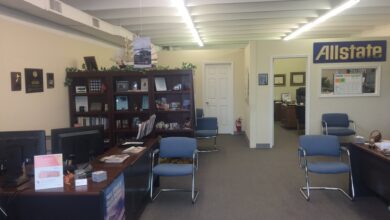
Visual idea: A local insurance office consultation with an agent reviewing a claim file across a desk can reinforce the value of clear guidance, personal support, and face-to-face problem solving.
Visual idea: A damaged vehicle after a snowstorm, showing a dented bumper, slush-covered tires, and icy roadway conditions, helps readers picture why fast reporting and photo evidence are so important.
Visual idea: A homeowner reviewing coverage documents at a kitchen table, with receipts, a laptop, and a phone nearby, illustrates the calm but detailed work of organizing records for a smoother claim experience.
Final Thoughts

The best insurance strategy in Milwaukee blends practical protection with flexible support. When you review your risks clearly, prepare your vehicle or property details, and compare local office guidance with online account tools, you give yourself a stronger, calmer path forward. Smart coverage today can mean fewer surprises tomorrow and more confidence in every season.
FAQ Section
What types of Allstate coverage are common in Milwaukee?
Auto, homeowners, renters, condo, motorcycle, and life insurance are among the most relevant options for Milwaukee residents.
Why can Milwaukee weather affect insurance choices?
Snow, ice, frozen pipes, storm damage, and basement moisture can influence both coverage needs and pricing.
Is bundling home and auto insurance worth considering?
Often yes, because bundling may reduce premiums, simplify account management, and keep claims support under one provider.
What should I prepare before contacting a local agent?
Have your driver and vehicle details, property information, prior insurance records, desired limits, and any recent claims history ready.
How do local offices compare with online account management?
Local offices can offer personal guidance, appointment-based help, bilingual support, and claims clarification, while online tools are ideal for billing, policy updates, and tracking claim progress anytime.
Which auto coverages matter most for Milwaukee drivers?
Liability is essential, while collision, comprehensive, uninsured motorist coverage, roadside assistance, and rental reimbursement can be valuable for winter driving, theft risk, and commuting needs.
What should renters and condo owners pay close attention to?
They should review personal property protection, liability coverage, guest injury protection, temporary living expenses, and water-related exclusions or endorsements.