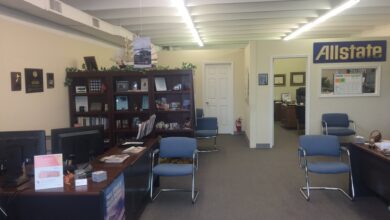
In Hilo, insurance is not just paperwork. It is a practical shield for real island living, where ocean air, tropical rain, changing roads, and close-knit neighborhoods shape how people protect their cars, homes, rentals, families, and businesses. Allstate insurance services in Hilo are often associated with auto, home, renters, life, and business coverage designed to help residents match protection with the way they actually live.
That local context matters. A daily commuter may focus on liability, collision, comprehensive, uninsured motorist, and medical payments. A homeowner may care more about moisture, storms, property liability, and temporary living expenses after a covered loss. Renters may want affordable protection for belongings, while families and business owners may seek broader security and personal guidance from a local office. The real value is not only in the policy itself, but in shaping coverage around Hilo’s weather, geography, routines, and long-term priorities.




Overview of Allstate Insurance Services in Hilo
In Hilo, insurance is less about checking a box and more about protecting the rhythm of everyday island life. Allstate-related coverage options often appeal to residents who want flexible protection for cars, homes, rentals, families, and small businesses in one familiar ecosystem.
Hilo sits on the windward side of the Big Island, where frequent rain, lush surroundings, coastal exposure, and a strong mix of local families, commuters, retirees, and entrepreneurs shape insurance priorities. Because daily life can involve weather shifts, property upkeep, vehicle dependence, and long-term financial planning, people often look for coverage that goes beyond a single policy and instead supports multiple parts of life at once.
How Hilo Living Shapes Protection Choices
Allstate insurance services in Hilo are commonly associated with several core coverage categories. Auto insurance helps protect drivers from collision costs, liability claims, and unexpected roadside setbacks. Homeowners insurance is often important for people protecting the structure of their home, personal belongings, and liability exposure. Renters insurance can help tenants cover possessions, temporary living expenses, and personal liability. Life insurance is typically considered by households seeking income protection, legacy planning, or help with future expenses. Business-related insurance may support small companies, contractors, and property-based operations that need liability, asset, or continuity protection.
Local conditions in Hilo can influence how customers think about policy features. High rainfall may increase concern about property wear, moisture-related risks, and maintenance sensitivity. Coastal and tropical conditions can push customers to pay closer attention to dwelling protection, contents coverage, and equipment reliability. For drivers, regular commuting, road conditions, and dependence on personal vehicles may make liability, collision, and optional add-ons feel especially valuable. Families and business owners may also prioritize bundling, budgeting, and customizable limits so protection fits both lifestyle and long-term goals.
Residents often compare insurance choices based on practical needs such as:
- protecting vehicles used for work, school, and daily errands
- safeguarding homes or rental belongings from unexpected loss
- supporting dependents through life insurance planning
- covering business property, liability, or service-related risks
The table below gives a quick view of how these coverage types are commonly understood in a Hilo context.
| Coverage Type | Basic Purpose | Common Benefits | Ideal Customer Profile |
|---|---|---|---|
| Auto | Protects against driving-related losses and liability | Collision help, liability coverage, optional roadside features | Commuters, families, and drivers who rely on one or more vehicles daily |
| Home | Helps protect the dwelling, belongings, and personal liability | Property protection, liability support, possible guest-injury coverage | Homeowners seeking broader financial protection for their residence |
| Renters | Covers personal property and select liability risks for tenants | Belongings coverage, temporary living support, liability features | Renters who want affordable protection without owning the building |
| Life / Business | Supports family security or business continuity planning | Income protection, legacy support, liability or asset-focused options | Parents, partners, entrepreneurs, and small business operators |
When reviewing insurance in Hilo, it helps to look at protection through a local lens rather than a generic one. A more effective approach is often to match coverage with the realities of island weather, property ownership, transportation habits, and the financial responsibilities tied to family or business life.
Pro Tip: In a place like Hilo, the smartest insurance strategy is often layered protection: combine everyday essentials with policy options that reflect how you actually live, drive, own, rent, or operate a business.
Auto Insurance Options for Hilo Drivers
Driving in Hilo means more than picking a basic policy and hoping for the best. The right auto insurance mix can help you stay protected through rainy roads, tight parking lots, changing commutes, and the everyday surprises that come with island driving.
Many Hilo drivers start with liability coverage, which can help pay for injuries or property damage you cause to others. From there, collision coverage may help repair your own vehicle after an accident, while comprehensive coverage can step in for non-collision risks such as theft, vandalism, falling branches, or weather-related damage. Uninsured or underinsured motorist coverage may matter if another driver has little or no insurance, and medical-related coverage can help with treatment costs after a covered incident, depending on the policy selected.
Matching Coverage to Real-World Driving Patterns
Hilo’s frequent rain, slick pavement, and varied driving routines can shape smarter coverage choices. A driver who commutes daily through wet conditions may place more value on collision and medical-related protection, while someone who leaves a vehicle parked for longer periods may think harder about comprehensive coverage. Vehicle type, mileage, passenger load, and where you drive most often all influence how much protection feels practical rather than excessive.
The table below highlights how common options fit different needs in Hilo.
| Coverage Option | What It Helps Cover | Who May Benefit Most | Notable Considerations |
|---|---|---|---|
| Liability | Injuries or property damage you cause to others | All drivers, especially those with regular road exposure | Required minimums may not fully protect savings or assets |
| Collision | Damage to your vehicle after a crash, regardless of fault in many cases | Daily commuters, newer-car owners, financed vehicles | Deductible choice affects premium and out-of-pocket cost |
| Comprehensive | Theft, vandalism, falling objects, animal damage, and certain weather events | Drivers who park outdoors or own higher-value vehicles | Useful even when the car is not being driven |
| Uninsured/Underinsured Motorist & Medical-Related | Injuries and some related expenses when another driver lacks enough coverage | Families, frequent passengers, and drivers wanting broader injury protection | Terms vary, so compare limits and eligible expenses carefully |
Here are practical ways different Hilo drivers may think about coverage priorities.
- Daily commuters: Often face more time on wet roads, more intersections, and more chance of minor collisions, so higher liability limits plus collision can feel like a stronger fit.
- Occasional drivers: May log fewer miles, but a parked car still faces theft, storm debris, and accidental damage, making comprehensive worth a closer look.
- Families: Drivers carrying children or multiple passengers may value medical-related coverage and uninsured motorist protection for added financial cushioning after an accident.
- Young drivers: Premiums may run higher, so balancing deductibles, safe-driving habits, and the right level of collision coverage becomes especially important.
Pro Tip: In Hilo, insurance decisions are often less about “more coverage is always better” and more about matching protection to how, where, and how often the vehicle is actually used.
If your route includes frequent rain, school drop-offs, longer work drives, or regular errands across town, those habits can justify broader protection. If you drive an older vehicle only occasionally, you may weigh the cost of collision against the car’s current value and focus instead on liability, comprehensive, and injury-related safeguards.
Homeowners and Renters Coverage in Hilo
In Hilo, where lush beauty meets year-round humidity, the right home insurance can do more than reimburse damage—it can help restore normal life faster. Whether you own a house or rent an apartment, smart coverage turns everyday uncertainty into a more manageable risk.
Homeowners insurance may help protect the structure of your home, attached features, personal belongings, personal liability, and added living costs if a covered loss makes the property temporarily unlivable. Renters insurance does not insure the building itself, but it may help cover your furniture, clothing, electronics, liability exposure, and temporary living expenses after a covered event. For many Hilo residents, the real value is not just replacing items, but preserving stability after water intrusion, wind damage, theft, or an unexpected guest injury claim.
Island Property Risks and Smart Coverage Choices
Hilo’s environment can shape insurance decisions in practical ways. Tropical moisture may increase the chance of mold, dampness, and gradual wear, while heavy rain and storms can raise concerns about roof leaks, wind-driven damage, and water entering the home. Depending on the exact location, some properties may also face flood, lava, or other location-based risks that are often handled differently from a standard policy. That is why policyholders often compare dwelling or contents limits, liability amounts, loss-of-use coverage, deductibles, and optional endorsements with special care.
Choosing between homeowners and renters coverage in Hilo is also about understanding what the policy is designed to address versus what may require separate planning. A coastal-facing property, an older roof, ground-floor rental access, or high-value belongings can all influence which protections feel more appropriate.
Here are quick examples that show how covered and non-covered situations may differ.
- Often covered: A kitchen fire damages cabinets, walls, and appliances in an owner-occupied home.
- Often covered: A burst pipe damages a renter’s sofa, clothes, and laptop.
- Often covered: A visitor slips on a wet floor and alleges the resident is responsible for injuries.
- Often covered: A covered storm loss forces the household to stay in a hotel for several days.
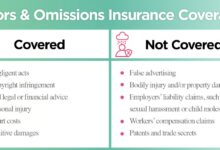
- Often not covered by standard policies: Flood damage from rising water, which may require separate flood insurance.
- Often not covered: Gradual mold, long-term seepage, neglect, or unresolved maintenance issues.
- Often not covered: Earth movement or other hazards that may need separate specialty coverage, depending on the risk.
- Coverage limits may apply: Jewelry, collectibles, business equipment, or high-end electronics may need scheduled protection.
Pro Tip: In Hilo, review the difference between sudden accidental damage and slow deterioration. That distinction can strongly affect whether a future claim is likely to fit the policy.
| Policy Feature | Protection Purpose | Common Claim Example | Policyholder Tip |
|---|---|---|---|
| Dwelling or Contents Coverage | Helps repair the home or replace personal belongings after a covered loss | Rain enters after a wind-damaged roof or a pipe bursts indoors | Match limits to current rebuilding costs or replacement values |
| Liability Coverage | May help with legal or medical costs if someone is injured and you are liable | Guest slips on wet entry tile | Consider whether a higher limit better fits your assets and exposure |
| Loss of Use / Additional Living Expense | Helps with temporary housing and related costs after a covered event | Hotel stay during major home repairs | Check time limits and reimbursement conditions |
| Optional Endorsements | Adds protection for risks or valuables beyond standard terms | Extra coverage for jewelry or special equipment | Ask about separate solutions for flood or other location-based risks |
Local Agency Support, Quotes, and Customer Service Experience

When people search for allstate insurance hilo, they are often looking for more than a policy price—they want a real person who understands island life, answers quickly, and makes insurance feel less complicated. A strong local office can turn a routine transaction into confident, practical guidance.
Customers often value a Hilo agency that offers clear explanations, fast follow-up, and regular policy check-ins instead of one-time sales talk. Many also want help comparing coverage choices, updating life changes, reviewing deductibles, and understanding what to do if a claim issue appears. That local relationship can matter when timing is tight, paperwork is confusing, or a customer simply wants reassurance before making a decision.
What Makes Face-to-Face Guidance Stand Out
In-person service and digital service can both be useful, but they often feel very different in practice. A local office may provide more conversational guidance, help customers spot gaps they may miss online, and assist with billing questions or forms in a more personal way. Online tools, on the other hand, can be faster for basic quote requests, simple policy changes, and document access outside office hours. For many Hilo residents, the best experience is a mix of both: digital convenience backed by local human support.
| Service Need | Local Hilo Office Experience | Online Experience |
|---|---|---|
| Quote requests | More tailored questions and live clarification | Fast self-service entry and quick comparisons |
| Policy updates | Helpful when changes are complex or time-sensitive | Convenient for simple edits and routine requests |
| Billing help | Direct explanations of payment options and due dates | Easy account access and payment processing |
| Document handling | Assistance reviewing, signing, or submitting paperwork | Quick downloads, uploads, and electronic records |
A typical customer journey usually starts with a question and ends with a clearer sense of protection. Here is how the process often works when someone reaches out to a local Allstate office in Hilo.
- Contact the agency by phone, online form, or in person to request a quote.
- Share basic details such as driver, household, property, or coverage information.
- Review quote options with an agent, including limits, deductibles, and possible add-ons.
- Ask questions about pricing, billing schedules, and what each option is designed to protect.
- Compare recommended choices and adjust the policy to fit budget and priorities.
- Submit required information, confirm documents, and finalize the selected policy.
Service qualities customers often appreciate: local knowledge of Hilo conditions and routines, reliable availability for follow-up, a communication style that feels patient rather than pushy, and personalized assistance when reviewing forms, billing concerns, or next steps after a claim. These qualities can make the experience feel more grounded, responsive, and easier to trust.
That is why many shoppers are not only comparing premiums—they are also judging how an office communicates, how quickly it responds, and whether the guidance feels genuinely useful. In a local setting, service becomes part of the value, especially for customers who prefer a familiar point of contact instead of handling every detail alone.
Cost Factors, Discounts, and Policy Customization
Insurance value in Hilo is not just about finding the lowest number; it is about shaping coverage so the price fits the way you live, drive, and protect what matters. A smart policy balances premium, flexibility, and protection without paying for extras you do not need.
Pricing can shift based on both everyday choices and risk details. For auto coverage, insurers often look at driving history, annual mileage, vehicle type, selected limits, and deductible level. For property coverage, costs may reflect home age, construction type, roof condition, location-specific exposure, security features, and replacement cost. Bundling policies, choosing digital billing, and setting up preferred payment methods can also help reduce total cost while keeping coverage organized under one account.
Build-a-Policy Moves That Stretch Every Dollar
The strongest approach is to combine discounts with customization. A household with two cars and one home policy may benefit from a multi-policy discount, while a cautious driver could save through safe-driving rewards. Homeowners may also unlock lower pricing with smoke detectors, storm-resistant features, burglar alarms, or smart-home monitoring. Even small administrative choices, such as paperless enrollment or automatic payments, can create modest but useful savings over time.
The real advantage appears when coverage is tailored instead of copied. You might raise liability limits for stronger financial protection, choose a higher deductible to lower the monthly premium, or add options that match your household. Examples include roadside assistance, rental reimbursement, personal umbrella coverage, scheduled valuables protection, water backup coverage, or identity-related protection. A family with teen drivers, a remote worker with expensive equipment, or a household with frequent guests may all need different combinations.
Use this quick guide to compare what changes price and where customization can work harder for you:
| Cost Factor | Possible Effect on Premium | Discount Opportunity | Customization Tip |
|---|---|---|---|
| Driving record and mileage | Clean records may lower cost; violations or frequent driving may raise it | Safe driving programs | Increase liability if you commute often; consider higher deductibles if claims risk is low |
| Home age, roof, and build quality | Older or higher-risk structures can cost more to insure | Home safety and protective device discounts | Add coverage for valuables or water backup if your property needs extra protection |
| Coverage limits and deductibles | Higher limits usually increase premium; higher deductibles often reduce it | Payment and paperless savings may offset part of the increase | Match deductible to emergency savings so out-of-pocket costs stay manageable |
| Bundled household policies | Combining auto and property coverage can reduce total insurance spend | Multi-policy discount | Review all household needs together, including extra vehicles, guest liability, or umbrella coverage |
When comparing options, focus on these practical levers before choosing a final policy:
- Limits: Higher limits can offer more protection, especially for households with assets to safeguard.
- Deductibles: Lower deductibles reduce claim-time expense, while higher ones can trim the premium.
- Add-ons: Optional endorsements help fill gaps that standard coverage may not fully address.
- Household profile: Drivers, children, pets, work-from-home setups, and valuable items all influence ideal policy design.
Pro Tip: Ask for a side-by-side quote using two deductible levels and bundled versus unbundled pricing. That simple comparison often reveals the most cost-efficient coverage structure without weakening core protection.
Claims Process, Preparedness, and Practical Protection Tips
When a loss happens in Hilo, speed matters—but so does clarity. A calm, organized claims approach can protect your payout, reduce delays, and help you recover with far less stress.
For auto, home, or renters coverage, the claims journey usually starts with immediate documentation, then moves to claim reporting, insurer review, and follow-up. After an accident, theft, wind event, water damage incident, or fire, policyholders should first protect people and prevent further harm if safe to do so. From there, gather evidence, notify the insurer, and keep records of every conversation, expense, and repair estimate. Many insurers allow claims through an app, website, agent, or phone line, but the strongest submissions still rely on complete details, timestamps, and consistent communication.
Smart Recovery Playbook for Hilo Households
Think of a claim as a file you build, not just a form you send. Strong documentation creates momentum: photos show the condition of property, receipts support value, and written notes help confirm timelines. After submission, an adjuster may inspect damage, request more information, compare estimates, and explain deductible, limits, and next steps. For auto claims, that could mean repair approvals, medical documentation, or liability review. For home and renters claims, it may include temporary repairs, inventory lists, hotel receipts, or proof of ownership. The more organized you are, the easier it is to move from disruption to reimbursement.
Before filing, prepare the essentials so your report is fast, accurate, and harder to dispute:
- Take clear photos and videos of all visible damage, vehicle positions, affected rooms, serial numbers, and surrounding conditions.
- Write incident notes with date, time, location, weather, what happened, and what actions were taken immediately after the event.
- Collect names, phone numbers, email addresses, and policy details for drivers, witnesses, landlords, contractors, or emergency responders.
- Save receipts for damaged items, temporary repairs, cleanup supplies, lodging, meals, towing, and transportation if covered.
- Locate your policy number, declarations page, inventory records, and any prior appraisals or purchase confirmations.
- Keep a communication log with claim number, adjuster name, callback times, and summaries of every insurer conversation.
Preparedness is most effective when it becomes routine rather than reactive. Review your policy limits at least annually, especially if you have renovated a home, bought electronics, added jewelry, changed vehicles, started working from home, or moved into a new rental. Update coverage after major life changes so replacement costs, liability needs, and personal property values still match reality. It also helps to store digital copies of receipts, lease documents, and photos in secure cloud storage, making them accessible even if physical records are damaged.
| Coverage Type | What to Document First | Helpful Follow-Up |
|---|---|---|
| Auto | Damage photos, plate numbers, scene details, injuries | Police report, repair estimate, tow receipt |
| Home | Room-by-room damage, structural issues, emergency mitigation | Contractor estimate, inventory list, temporary housing costs |
| Renters | Damaged or stolen belongings, entry points, affected areas | Purchase receipts, landlord notice, replacement item pricing |
Pro tips: Build an emergency folder before you need it with policy numbers, insurer contacts, inventory photos, and key receipts. After a loss, report promptly, prevent additional damage when safe, and never throw away major damaged items until the insurer confirms what can be discarded. Keep updates in writing whenever possible, and ask for timelines, missing-document requests, and settlement explanations in clear terms.
Conclusion

Choosing coverage in Hilo becomes easier when protection feels personal, flexible, and grounded in local reality. Whether you need a stronger auto policy, a smarter home or renters plan, or help comparing pricing, discounts, and claims support, the best path is a policy that fits your life today and still protects your tomorrow. With thoughtful review and the right local guidance, allstate insurance hilo can become less of a transaction and more of a confident step toward everyday peace of mind.
FAQ Section
What types of coverage are commonly available through allstate insurance hilo?
Common options often include auto, home, renters, life, and business-related coverage, with features that can be adjusted for local needs.
Why do Hilo residents often need customized insurance?
Hilo’s tropical climate, moisture, storms, commuting habits, and property conditions can all affect the kind of protection and limits people prefer.
What auto coverage is especially relevant for drivers in Hilo?
Liability, collision, comprehensive, uninsured motorist, and medical-related coverage are often important for drivers using local roads in varying weather.
How can homeowners and renters coverage help in Hilo?
These policies may help protect property, belongings, liability exposure, and temporary living expenses after certain covered events.
What do customers usually want from a local Allstate office in Hilo?
Many look for responsive service, clear explanations, policy reviews, quote support, billing help, document handling, and claims guidance.
What factors can influence insurance pricing in Hilo?
Pricing may be affected by driving history, property details, coverage limits, deductibles, bundling, and eligibility for discounts like safe driving or paperless billing.
How should someone prepare before filing a claim?
It helps to gather photos, receipts, contact details, damage notes, and policy information, then report the incident clearly and follow up promptly.