Choosing Medicare coverage can feel like standing at a crossroads with too many signs. Humana Medicare Supplement insurance, also called Medigap, helps fill many of the cost gaps left by Original Medicare, giving you a smoother path through doctor visits, hospital stays, and the kind of medical bills that often arrive uninvited.
Think of it as a strategy for turning uncertainty into confidence. Because Medigap plans are standardized, the core benefits stay consistent by plan letter, while Humana may differ in price, service tools, and extra member conveniences. The real win is simple: more predictable costs, broad provider flexibility, and fewer financial surprises when healthcare becomes a frequent part of life.






Humana Medicare Supplement basics and plan overview
Want Medicare coverage that feels less unpredictable? Humana Medicare Supplement insurance, also called Medigap, is designed to help soften the out-of-pocket gaps left behind by Original Medicare.
Humana Medicare Supplement plans work alongside Original Medicare Part A and Part B, not in place of them. Original Medicare generally pays its share first for approved services, and then a Humana Medigap plan may help cover remaining costs such as coinsurance, copayments, and certain deductibles, depending on the standardized plan you choose. Because Medigap plans are standardized by letter in most states, the benefits for a given plan type are the same no matter which insurer offers it, while pricing, service, and extra perks can vary.
How the lettered plans fit real-life budgeting
Humana commonly offers standardized Medigap choices such as Plan A, Plan G, and Plan N, with availability varying by location. These plans are often attractive for people who want broad provider access through Original Medicare and prefer a steadier, more predictable approach to medical budgeting. In simple terms: the higher the coverage level, the more gaps it may help fill, though your monthly premium may also be higher.
Here is a quick breakdown of common Medigap plan types often associated with Humana:
- Plan A: Basic core benefits; may suit shoppers who want a lower-entry Medigap option.
- Plan G: Often chosen for strong all-around protection; typically covers most Medicare-approved out-of-pocket costs except the Part B deductible.
- Plan N: A middle-ground option; may have lower premiums than Plan G, but members can still face some copayments and possible Part B excess charges in certain situations.
Even with Original Medicare, you may still owe costs before and after Medicare pays. A supplement plan may help reduce those surprise bills and make healthcare spending easier to anticipate.
- Part A deductible: Can apply to hospital stays.
- Part B deductible: Usually paid by you before Part B coverage fully begins.
- Coinsurance: Often a percentage of approved costs under Part B.
- Copayments: May apply in certain care settings, depending on plan design.
- Excess charges: Possible if a provider does not accept Medicare assignment and is allowed to bill more.
For many beneficiaries, the appeal is simple: keep Original Medicare, add a supplement, and potentially trade some uncertainty for a more manageable monthly premium.
| Feature | Medicare Supplement | Medicare Advantage | Best Fit |
|---|---|---|---|
| Works with | Original Medicare | Replaces Original Medicare for plan-administered coverage | Depends on whether you want backup or an all-in-one plan |
| Provider access | Usually broad access to Medicare-accepting providers | Often network-based | Travelers and flexibility seekers may prefer Medigap |
| Out-of-pocket pattern | Higher premium, potentially lower surprise cost-sharing | Lower premium in some cases, but varying copays and max out-of-pocket | Budget style matters |
| Drug coverage | Usually separate Part D needed | Often included | Convenience may favor Advantage |
Before choosing, it helps to understand the language insurers and Medicare use every day:
- Premium: The monthly amount you pay to keep coverage active.
- Deductible: The amount you pay before certain coverage begins.
- Copayment: A fixed dollar amount for specific services.
- Coinsurance: Your share of costs, usually a percentage.
- Excess charges: Extra amounts some providers may bill above Medicare-approved rates.
- Guaranteed issue rights: Special protections that may let you buy certain Medigap plans without medical underwriting in qualifying situations.
Pro Tip: If you value provider freedom and predictable cost-sharing more than bundled extras, a Humana Medicare Supplement plan may feel more reassuring than a plan built around local networks.
Coverage, benefits, and exclusions under Humana Medicare Supplement
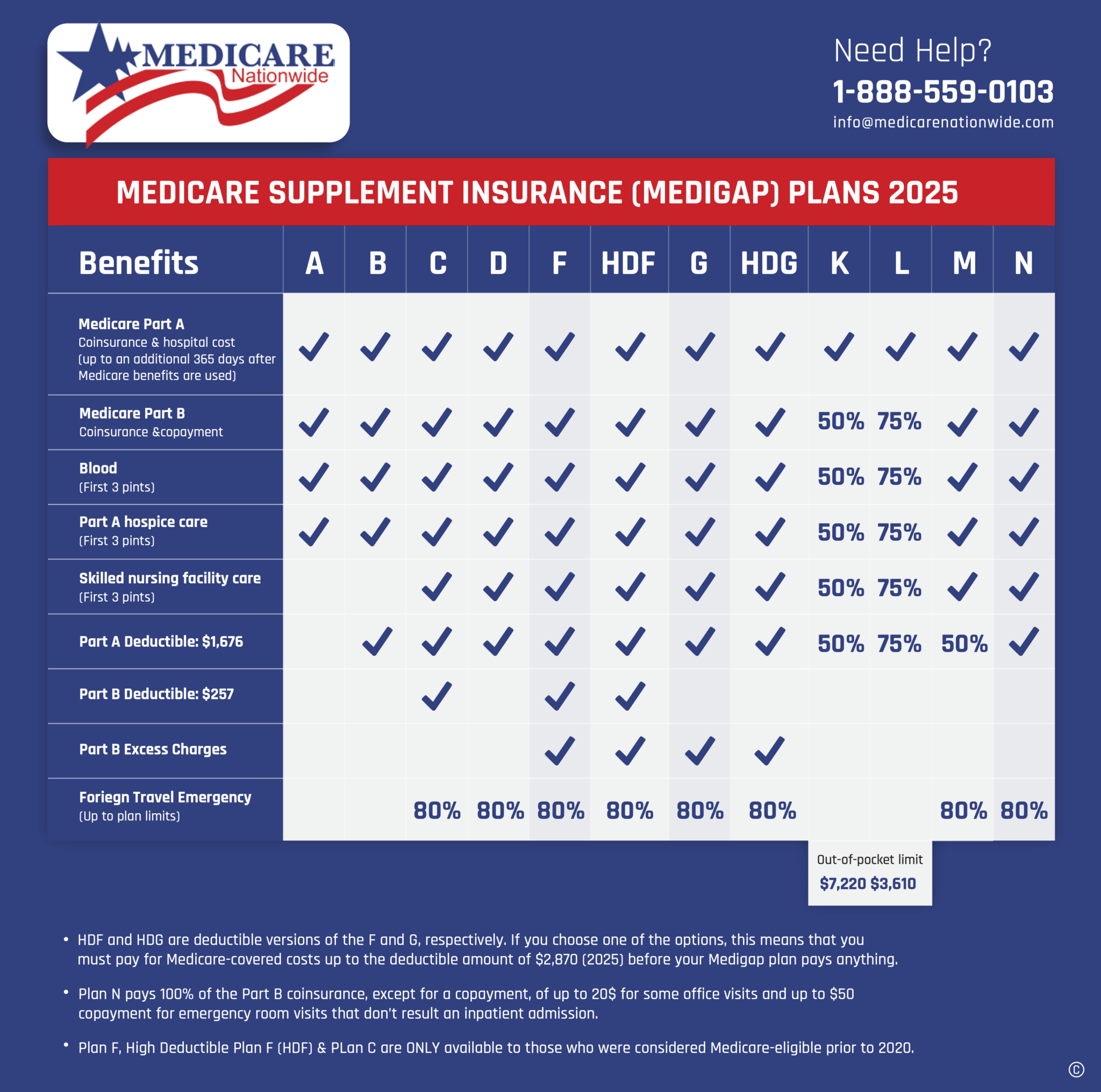
Humana Medicare Supplement plans are built to soften the sharp edges of Original Medicare. When deductibles, copayments, and coinsurance start stacking up, the right supplement can turn unpredictable bills into something far more manageable.
These plans, also called Medigap, help pay certain out-of-pocket costs that Original Medicare leaves behind. Because Medicare Supplement benefits are standardized by plan letter in most states, a Plan G from one carrier covers the same core medical gaps as a Plan G from another carrier; what often changes is the monthly premium, household discounts, digital tools, customer service, and extra member perks.
What the fine print really means for everyday care
The most common eligible benefits focus on the expenses people face most often after Medicare approves care. Depending on the plan letter available to you, coverage may include Part A hospital coinsurance, extra hospital days after Medicare benefits are used up, skilled nursing facility coinsurance, Part A hospice coinsurance or copayments, and some or all of the Part B coinsurance. Certain plans also help with the Part A deductible, Part B excess charges, and foreign travel emergency coverage for unexpected urgent care outside the U.S., subject to plan rules and lifetime limits.
Just as important is what Medicare Supplement usually does not cover. These plans generally are not designed for routine wellness extras or custodial support. That means dental work, vision exams or eyewear, hearing aids, long-term care, private-duty nursing, and retail prescription drugs are typically excluded unless you buy separate coverage, such as a stand-alone Part D plan or an additional dental/vision policy.
| Covered Items | Partially Covered Items | Excluded Items | Notes |
|---|---|---|---|
| Part A hospital coinsurance; extra hospital days; skilled nursing facility coinsurance; hospice coinsurance/copays | Part A deductible, Part B coinsurance, Part B excess charges, foreign travel emergency | Dental, vision, hearing aids, long-term care, private-duty nursing, most routine care extras | Exact benefits depend on the plan letter you choose and state availability |
| Medicare-approved gaps after Original Medicare pays its share | Foreign travel emergency usually has plan limits and is not unlimited global medical insurance | Prescription drugs from a pharmacy when not purchased through separate Part D coverage | Carrier perks may differ even when medical benefits stay standardized |
That standardization matters. If Humana offers a plan letter available in your area, its core Medigap medical benefits match the federal standard for that letter. Still, shoppers may notice differences in rate stability, billing options, wellness discounts, nurse lines, household savings, or administrative convenience. In other words, the protection can be the same on paper while the ownership experience feels very different.
Supplement coverage often feels most valuable when care is frequent, recurring, or hard to predict. Consider these practical situations:
- A person seeing multiple specialists each month may appreciate help with recurring Part B coinsurance.
- Someone hospitalized more than once in a year may benefit from stronger protection against hospital cost-sharing.
- A patient entering a skilled nursing facility after a hospital stay may value coverage for daily coinsurance that can rise quickly.
- A traveler who spends time abroad may like the added emergency backup offered by eligible plans with foreign travel benefits.
Pro Tip: Do not assume “more expensive” means “more medical coverage.” With Medicare Supplement, the plan letter usually determines the medical benefits, while the carrier often influences price, service, and optional extras.
Costs, pricing factors, and value comparison
Price matters, but smart Medicare Supplement shopping is really about what you pay over time, not just the first monthly quote. Humana costs can look attractive upfront, yet the better value often comes from how stable the premium feels as your healthcare needs change.
Humana Medicare Supplement premiums are shaped by several moving parts. Your age often affects the starting rate or future increases, depending on the pricing model. Location matters because rates vary by ZIP code, state rules, and local medical costs. Tobacco use can raise premiums, while a household discount may lower them if eligible people in the same home enroll. Another major factor is the plan’s rating method, which influences whether premiums rise mainly because you age, because inflation affects everyone, or both.
The Real Math Behind Long-Term Affordability
When comparing quotes, focus on how the premium is built, not just the number on today’s brochure. The three common rating methods create very different long-term cost patterns, especially for retirees planning several years ahead.
| Rating method | How pricing works | Best fit | Watch for |
|---|---|---|---|
| Attained-age | Starts lower for younger buyers, then may rise as you get older | Shoppers prioritizing lower initial premiums | Higher costs later in retirement |
| Issue-age | Based on your age when you buy; not increased due to aging alone | People buying earlier and planning long-term | Still subject to inflation or broader rate changes |
| Community-rated | Same base rate for everyone in the area, regardless of age | Those wanting more age-neutral pricing | May cost more upfront for younger enrollees |
To estimate annual healthcare cost, combine 12 months of premiums with likely out-of-pocket spending. A simple formula is: annual premium total + Part B deductible + expected copays, coinsurance, or excess charges not covered by your chosen Medigap plan. If you rarely use care, premium cost may dominate. If you use care often, a richer plan with a higher premium can still save money by reducing surprise bills.
Use these practical usage profiles to compare trade-offs more clearly before you enroll:
- Low usage: One annual wellness visit, a few routine doctor appointments, and limited testing; compare whether a lower premium offsets occasional out-of-pocket expenses.
- Moderate usage: Specialist visits, lab work, imaging, and periodic outpatient treatment; a mid-range premium may feel worthwhile if it smooths recurring costs.
- High usage: Frequent specialist care, hospital visits, rehabilitation, or ongoing treatment; higher premiums may deliver stronger protection against large cumulative bills.
Value also goes beyond the price tag. With Humana Medicare Supplement, many shoppers weigh provider freedom because Medigap generally works with any provider nationwide that accepts Medicare, rather than a narrow network. They also look at customer support quality, how easy billing and claims feel in real life, and portability for travel or relocation. In other words, the cheapest option is not always the easiest one to live with.
Pro Tip: Ask for the same Humana plan quote using your exact ZIP code, age, tobacco status, and any household discount details, then compare first-year cost against a three- to five-year premium outlook.
- Start with the monthly premium and annualize it.
- Add predictable out-of-pocket costs based on your usual care pattern.
- Stress-test the plan for a heavier-use year, not just a healthy one.
- Weigh service and flexibility alongside price before deciding.
Enrollment periods, eligibility rules, and application process

The smartest Medicare Supplement decision is often about timing, not just plan choice. Enroll at the right moment, and you can unlock broader acceptance, fewer surprises, and a smoother start with Humana.
The most favorable window is usually your Medigap Open Enrollment Period: the six-month period that begins when you are both age 65 or older and enrolled in Medicare Part B. During this time, insurers generally must sell you an available Medigap policy without using medical underwriting. Outside that window, you may still qualify through guaranteed issue rights in certain situations, such as losing employer coverage, leaving a Medicare Advantage plan under specific rules, or moving out of a plan’s service area.
Your timing advantage starts here
Eligibility depends on where you are in your Medicare journey. If you are turning 65, the key trigger is not your birthday alone, but the combination of age and active Part B enrollment. If you already have Part B and are delayed in buying a supplement, you may apply later, but acceptance can depend on health questions in many states. If you are switching from employer coverage, Medicare Advantage, or another policy type, your rights vary, so it is important to verify whether you have a protected enrollment opportunity before applying.
Use this simple path to stay organized and avoid costly missteps before coverage begins.
- Confirm that you are enrolled in Medicare Part A and Part B.
- Check whether you are in your Medigap Open Enrollment Period or a guaranteed issue situation.
- Compare Humana Medicare Supplement plans available in your ZIP code and review state-specific rules.
- Verify that the plan does not include prescription drug coverage; if needed, shop separately for Part D.
- Complete the application with accurate personal and Medicare information.
- Review approval details, first premium timing, and the effective date before canceling any current coverage.
| Enrollment stage | Required action | Important deadline | Helpful note |
|---|---|---|---|
| Initial eligibility check | Confirm age, Part B status, and current coverage type | Before shopping | Part B enrollment is the main trigger for Medigap timing |
| Open Enrollment review | See whether your 6-month Medigap window is active | Starts when age 65+ and Part B begin | This is usually the best time to avoid underwriting |
| Guaranteed issue review | Document qualifying event if applicable | Varies by event and state | Keep notices from prior coverage as proof |
| Application and start date | Submit forms, pay first premium if required, confirm effective date | Before desired coverage start | Do not drop old coverage until the new policy is confirmed |
Common mistakes can quietly turn a good plan choice into a frustrating experience. Missing your open enrollment window may expose you to medical underwriting. Assuming Medigap includes drugs can leave you without prescription coverage. Switching too quickly from another plan without checking timing rules may also create a gap in protection or limit your guaranteed issue rights.
- Do not wait for symptoms or rising medical costs before applying.
- Do not confuse Medicare Supplement with Medicare Advantage enrollment rules.
- Do not assume every applicant can enroll at any time without health review.
- Do not cancel existing coverage until your new effective date is confirmed in writing.
Pro Tip: If you are leaving employer or Medicare Advantage coverage, ask Humana or a licensed Medicare advisor to confirm whether your situation creates a guaranteed issue right before you submit the application.
Plan comparison, provider flexibility, and member experience
Choosing a Humana Medicare Supplement plan is less about chasing extras and more about matching your lifestyle to the right level of protection. The smartest pick is the one that keeps your costs calm, your provider options open, and your routine easy wherever life takes you.
Humana Medicare Supplement plans are standardized by letter, so the core benefits of a given plan type are the same across insurers where available. What really shapes the experience is how much cost-sharing protection you want, how confidently you want to budget for care, and how important nationwide access matters if you split time between states or travel often.
How real-life usage shapes the better fit
Among popular options, plans with broader cost-sharing protection usually appeal to people who want fewer surprise bills, while lower-premium choices may suit enrollees who can comfortably handle occasional out-of-pocket costs. Because Medicare Supplement works alongside Original Medicare, provider flexibility is a major advantage: in most cases, you can see any doctor or hospital in the U.S. that accepts Medicare patients, without worrying about network restrictions common in other coverage types. That freedom can be especially valuable for snowbirds, retirees visiting family, or anyone who wants specialist access without referral friction. Many Medicare Supplement plans also include a measure of foreign travel emergency coverage, which can add peace of mind for occasional international trips, though limits still apply.
When comparing Humana with other insurers, look beyond the monthly premium. A lower rate can be tempting, but long-term value often depends on premium stability over time, state-level complaint patterns, the quality of online account tools, and how easy it is to reach a real support representative when questions matter. A smooth member experience often shows up in simple tasks: getting billing answers quickly, finding policy documents online, tracking claims clearly, and receiving understandable service from customer care.
Use this side-by-side lens to compare plan style and everyday usability before you decide.
| Plan feature | Member advantage | Possible drawback | Best-fit profile |
|---|---|---|---|
| Higher coverage, lower cost-sharing | More predictable medical spending and fewer surprise bills | Usually comes with a higher monthly premium | People who want budget certainty |
| Lower premium, more member cost-sharing | Helps reduce monthly fixed expenses | Can mean higher costs when care is used more often | Budget-focused enrollees in good health |
| Nationwide Medicare provider access | Works well for seeing providers across states that accept Medicare | Does not override Medicare participation rules | Retirees with multiple residences or specialist needs |
| Travel-friendly emergency support | Adds convenience for eligible emergency care while traveling | Benefits are limited and not designed for routine care abroad | Frequent travelers |
To compare insurers more confidently, focus on decision criteria that reflect how you will actually use the policy.
- Retirees: prioritize provider freedom, stable pricing history, and easy phone support.
- Frequent travelers: favor nationwide acceptance and available travel emergency benefits.
- Budget-focused enrollees: compare starting premium, projected rate changes, and likely out-of-pocket exposure.
- People seeking predictable medical costs: lean toward plans with stronger cost-sharing protection.
- Digital-first shoppers: check online billing, claims tracking, document access, and mobile usability.
Pro Tip: Ask each insurer how rates have changed in your area over recent years and test the customer service line before enrolling. A plan can look identical on paper yet feel very different once you are a member.
Helpful scenarios, supporting visuals, and content structure ideas
Choosing a Medicare Supplement plan often becomes easier when people can see themselves in real-life situations. The right examples, reminders, and visuals can turn a confusing decision into a confident one.
For readers exploring Humana Medicare Supplement options, this section works best when it shows practical decision moments instead of abstract plan language. Use scenarios, a concise reminder block, a visual description, a checklist, and a comparison table to help readers focus on everyday healthcare needs, cost predictability, and preparation habits.
Decision-making snapshots for everyday Medicare planning
Scenario-based content can make the topic feel immediate and useful. For example, a person managing diabetes or heart-related follow-up visits may value the stability of seeing providers who accept Medicare while reducing exposure to repeated out-of-pocket costs. A seasonal traveler who spends part of the year in another state may appreciate the flexibility to use Medicare-participating providers without feeling tied to a narrow local network. Someone living on a fixed retirement income may be especially drawn to the idea of fewer billing surprises, making monthly premium planning feel more manageable even when medical care is needed more often.
Include a reminder block that feels authoritative but reader-friendly:
Important reminders: Plan availability can vary by ZIP code and state. Rules, pricing methods, and consumer protections may differ depending on where a person lives. Premiums can also change over time, so it is wise to review current rates, policy details, and renewal expectations before enrolling.
For a supporting visual, describe an illustration of a senior seated at a tidy desk in a bright, professional setting, comparing Medicare-related papers side by side. One document shows monthly premium figures, another artikels doctor access and provider flexibility, while a third highlights benefit summaries and coverage notes. A calculator, reading glasses, and neatly stacked notes reinforce the idea of thoughtful comparison, not rushed decision-making.
Before presenting the table, add a practical checklist so readers know what to verify first:
- Review plan letters and monthly premium details carefully, including how costs may fit a long-term retirement budget.
- Confirm that preferred doctors and care locations accept Medicare assignment, especially if routine specialist visits are important.
- Plan prescription needs separately by reviewing Part D options, since medication coverage is not included in Medicare Supplement plans.
- Prepare for annual budget changes by factoring in premiums, deductibles, and the possibility of future rate increases.
A responsive table can then summarize the most helpful planning angles in a fast, scannable format:
| Scenario | Healthcare Need | Recommended Comparison Focus | Planning Tip |
|---|---|---|---|
| Retiree with a chronic condition | Frequent doctor visits and ongoing monitoring | Predictable out-of-pocket exposure and ease of using Medicare-participating providers | Compare how each option supports steady budgeting across the year |
| Snowbird or seasonal traveler | Care access in more than one state | Provider flexibility and convenience when away from home | Check provider acceptance patterns in both primary and seasonal locations |
| Budget-focused senior | Lower tolerance for surprise medical bills | Balance between monthly premium and expected cost stability | Estimate best-case and higher-use-year spending before deciding |
| Newly Medicare-eligible planner | Clear understanding of total coverage setup | How supplement choices align with separate drug coverage needs | Review Medigap and Part D decisions together, not separately |
Final Summary
If you want freedom to see Medicare-accepting providers and stronger protection from out-of-pocket shocks, Humana Medicare Supplement can be a smart option to compare closely. Review enrollment timing, confirm what is and is not covered, pair it with separate drug coverage if needed, and choose the plan that fits both your health rhythm and your budget story. The right choice is not just coverage, it is calm.
Frequently Asked Questions
What is Humana Medicare Supplement insurance?
It is Medigap coverage sold by Humana to help pay certain costs left after Original Medicare, such as coinsurance, copayments, and some deductibles depending on the plan.
Does Humana Medicare Supplement work with Original Medicare?
Yes. Original Medicare pays first, and the supplement plan may help cover eligible remaining costs based on the plan letter you choose.
Is Medicare Supplement the same as Medicare Advantage?
No. Medicare Supplement works alongside Original Medicare, while Medicare Advantage replaces Original Medicare coverage through a private plan and often uses network rules.
What is usually not covered by Medicare Supplement plans?
Most plans do not cover routine dental, vision, hearing aids, long-term care, or prescription drugs, so separate coverage may be needed.
When is the best time to enroll?
The strongest time is your Medigap Open Enrollment Period, which begins when you are 65 or older and enrolled in Medicare Part B. During this window, acceptance is usually easier and underwriting limits are reduced.
Can I use my Medigap plan with any doctor?
In most cases, yes, as long as the provider accepts Medicare patients. That is one of the biggest advantages for people who want broad access and travel flexibility.
What affects Humana Medicare Supplement premiums?
Premiums can vary by age, zip code, tobacco use, household discounts, gender in some areas, and whether pricing is attained-age, issue-age, or community-rated.