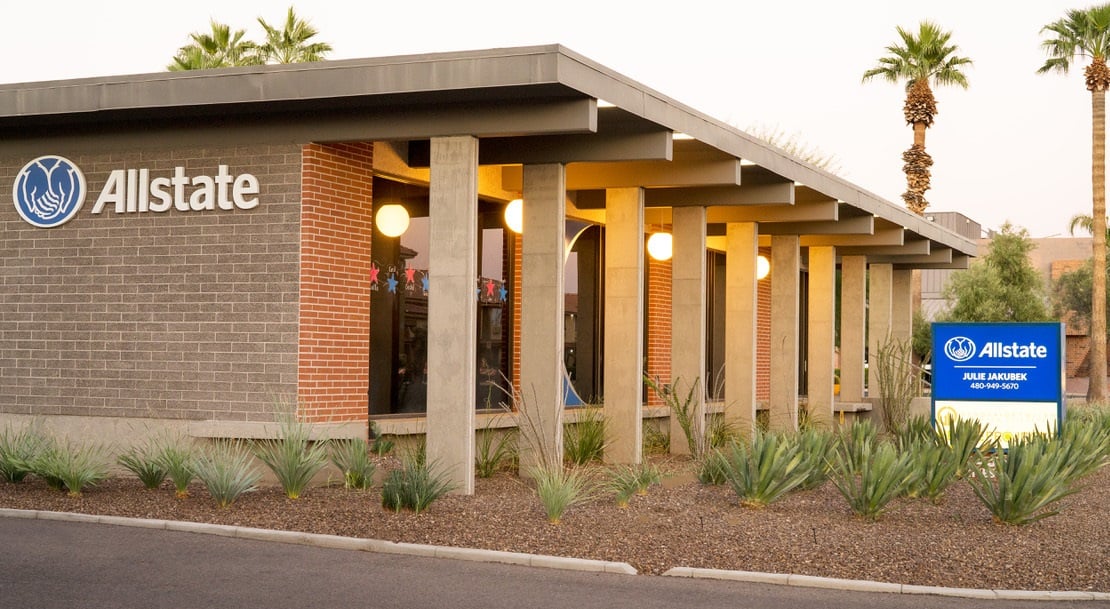
Phoenix moves fast, heats up harder, and surprises people with dust, monsoon rain, hail, traffic, and nonstop growth. That is why Allstate insurance services in Phoenix, AZ often center on practical protection for auto, home, renters, condo, motorcycle, and life needs, shaped for families, commuters, retirees, students, and small business owners who want coverage that fits real desert-city living.
Think of it as protection with local rhythm: auto policies may combine liability, collision, comprehensive, uninsured motorist, roadside help, and rental reimbursement; property coverage can help with roof wear, theft, water damage, electronics, and liability; and local agents can guide quotes, discounts, policy reviews, and claims support with neighborhood insight. If you want confidence without guesswork, Phoenix-focused coverage makes every dollar work smarter.






Overview of Allstate Insurance Services in Phoenix, AZ

In Phoenix, insurance needs rarely stay basic for long. From scorching freeway commutes to fast-growing neighborhoods facing monsoon damage, Allstate’s common coverage options can help residents protect both daily routines and long-term plans.
Allstate insurance services in Phoenix, AZ typically include auto, home, renters, condo, motorcycle, and life insurance, giving local residents a flexible starting point whether they own property, lease an apartment, ride year-round, or want added financial security for family members. In a city shaped by heavy traffic, desert heat, dust, and sudden summer storms, many customers look for policies that do more than meet minimum requirements; they want protection that fits the way Phoenix actually lives.
Phoenix Lifestyle and Protection Matchups
Phoenix creates a distinct insurance picture. Long commutes on busy highways can raise the importance of auto protection, while extreme sun, roof wear, dust exposure, and monsoon-driven water or wind damage can make property coverage feel especially relevant. Urban growth also brings more apartment living, condo ownership, mixed-use communities, and small business activity, so insurance priorities often shift based on life stage, neighborhood, and how people move through the city.
These are the main products commonly associated with local needs:
- Auto insurance for commuters, households with multiple drivers, and residents navigating congestion, distracted driving risks, and parking-lot incidents.
- Home insurance for single-family homeowners concerned about storm damage, fire exposure, liability, and protection for structures and belongings.
- Renters insurance for apartment tenants and students who want affordable coverage for personal items, liability, and temporary living disruptions.
- Condo insurance for unit owners needing protection that works alongside HOA master policies.
- Motorcycle insurance for riders taking advantage of Phoenix’s long riding season and needing coverage for accidents, theft, or damage.
- Life insurance for families, retirees, and business-minded households focused on income protection, legacy goals, or final-expense planning.
Phoenix also serves a wide mix of customers, and each group tends to prioritize coverage differently:
- Families often look for layered protection across cars, homes, and future planning.
- Commuters usually value strong auto coverage because of high-mile driving and freeway exposure.
- Retirees may focus on condo, home, and life insurance with manageable ongoing costs.
- Students and renters often prefer budget-friendly protection for belongings and liability.
- Small business owners may need personal coverage that supports a busy, asset-focused lifestyle.
Pro Tip: In Phoenix, the biggest gap is often not having the wrong policy, but having a policy that no longer matches your current housing, commute, or family situation.
| Coverage Type | Ideal Customer | Common Risks | Notable Features |
|---|---|---|---|
| Auto | Commuters, families, daily drivers | Traffic collisions, uninsured drivers, heat-related wear | Supports high-mile Phoenix driving needs |
| Home | Homeowners in suburban and urban areas | Monsoon damage, wind, fire, liability claims | Protects dwelling, belongings, and personal liability |
| Renters/Condo | Apartment renters, students, condo owners | Theft, water damage, guest injuries | Helps cover personal property and unit-specific needs |
| Motorcycle/Life | Riders, retirees, growing families | Road accidents, long-term financial loss | Pairs lifestyle protection with family-focused planning |
For many Phoenix residents, the appeal of Allstate is not just the variety of products but the ability to align coverage with a city where weather changes fast, roads stay busy, and household needs evolve quickly. That makes broad, adaptable protection especially valuable in one of Arizona’s most dynamic metro areas.
Auto Insurance Options for Phoenix Drivers
Phoenix driving is fast, hot, and unpredictable, so the smartest auto policy is one built for how you actually use your car. The right mix of coverage can protect your budget from freeway crashes, parking-lot dents, monsoon hail, and the costs that follow.
Many Phoenix drivers start with liability coverage, which helps pay for injuries or property damage you cause to others. Arizona requires minimum limits, but bare-bones protection can feel thin in a city with heavy traffic and high repair costs. Adding collision helps with damage to your own vehicle after an accident, while comprehensive covers non-collision problems such as theft, vandalism, cracked glass, fire, hail, and storm damage. Uninsured/underinsured motorist coverage can be valuable when another driver has too little coverage, and extras like roadside assistance and rental reimbursement add convenience when your car is disabled or in the shop.
Match Coverage to the Way You Drive
Phoenix insurance needs shift based on mileage, vehicle value, and who is behind the wheel. Daily commuters often face elevated accident exposure on busy routes such as I-10, Loop 101, and surface streets packed during rush hour. Rideshare drivers may need to close gaps between personal and app-based coverage periods. Teen drivers usually benefit from stronger liability limits and collision protection because inexperience raises claim risk. For newer or financed vehicles, lenders commonly require collision and comprehensive, and Arizona heat can accelerate tire wear, battery failure, and breakdowns that make optional add-ons more attractive.
Arizona-specific factors matter too. State minimum liability requirements are often written as 25/50/15, meaning $25,000 bodily injury per person, $50,000 per accident, and $15,000 property damage. That may satisfy the law, but it may not fully cover a serious crash. Phoenix also brings intense sun, sudden monsoon storms, flash flooding pockets, and occasional hail, all of which make comprehensive coverage easier to justify for many households.
Here are sample policy directions for common Phoenix driver profiles:
- Daily commuter: Higher liability limits, collision, uninsured motorist, and roadside assistance for frequent road exposure.
- Rideshare driver: Personal auto plus rideshare endorsement, stronger liability, collision, and rental reimbursement to limit downtime.
- Teen driver household: Collision, comprehensive, uninsured motorist, and safe-driver or student-based discounts where available.
- New or financed vehicle owner: Full coverage with collision and comprehensive, plus rental reimbursement for repair delays.
| Driver Profile | Suggested Coverage | Risk Factors | Savings Opportunities |
|---|---|---|---|
| Daily commuter | Higher liability, collision, uninsured motorist, roadside | Rush-hour crashes, freeway congestion, windshield damage | Bundling, safe-driving tools, multi-car discounts |
| Rideshare driver | Rideshare endorsement, collision, comprehensive, rental reimbursement | More time on road, coverage gaps, passenger-related exposure | Usage-based programs, deductible planning |
| Teen driver | Strong liability, collision, comprehensive, uninsured motorist | Inexperience, higher accident frequency, costly repairs | Good student discounts, driver training savings |
| Newer or financed vehicle | Collision, comprehensive, rental reimbursement, roadside | Loan requirements, higher replacement cost, hail damage | Anti-theft discounts, bundled policies, pay-in-full options |
Pro Tip: In Phoenix, choosing only the state minimum can look affordable upfront, but one major accident, hail event, or encounter with an uninsured driver can create a much bigger out-of-pocket hit than expected.
Think of your policy as a heat-tested safety net: the more your vehicle supports your work, family schedule, or daily commute, the more valuable it becomes to protect not just the car itself, but also your time, mobility, and financial breathing room.
Home, Renters, and Property Protection in Phoenix
In Phoenix, protecting where you live is not just about preparing for the unexpected; it is about staying ready for the climate you face every season. From blazing heat to swirling dust and sudden water damage, smart coverage helps turn local risk into manageable repair costs.
For homeowners, the biggest threats often include roof aging from intense sun, HVAC strain, monsoon-driven dust intrusion, interior water damage from plumbing or appliance failures, theft, and guest injuries on the property. Renters face many of the same personal risks, but usually do not insure the building itself. That is why understanding the line between structure coverage and belongings coverage matters so much in Phoenix.
Build a Stronger Safety Net for Your Space
Home insurance generally helps cover the dwelling, attached structures, detached structures in many cases, personal belongings, loss of use after a covered event, and liability claims if someone is injured on your property. Renters insurance usually focuses on personal property, temporary living expenses after a covered loss, and personal liability, while the landlord’s policy typically covers the building. In both cases, endorsements can sharpen protection where standard limits may fall short, especially for jewelry, collectibles, electronics, sewer or drain backup, and scheduled valuables.
To size coverage well, Phoenix residents should compare their policy limits to real rebuilding or replacement costs, not just market value or rent price. For homeowners, dwelling coverage should reflect local labor and material costs, roof type, square footage, and custom features. For renters, personal property limits should be based on a room-by-room inventory with estimated replacement values. Deductibles should feel affordable during a real claim, not just attractive on a quote. A higher deductible may lower premiums, but it should not create financial stress if a water leak, burglary, or fire happens.
| Property Type | Major Exposures | Core Protection | Optional Add-Ons |
|---|---|---|---|
| Owner-occupied home | Heat-related roof wear, dust storms, water leaks, theft, liability | Dwelling, other structures, belongings, loss of use, liability | Scheduled valuables, water backup, enhanced electronics coverage |
| Condo | Interior damage, theft, guest injury, shared-building gaps | Interior structure limits, belongings, liability, temporary housing | Loss assessment, valuables scheduling, backup coverage |
| Rental apartment | Theft, fire, smoke, water damage to belongings, liability | Personal property, loss of use, personal liability, medical payments | High-value items rider, identity-related protection, electronics coverage |
Use this checklist to pressure-test your protection before Phoenix weather or a surprise claim does it for you.
- Estimate dwelling coverage using rebuilding cost, not resale value.
- Create a home inventory with photos, serial numbers, and receipts when possible.
- Review whether your personal property limit fits furniture, clothing, appliances, and tech.
- Choose a deductible you can comfortably pay out of pocket after a covered loss.
- Ask about endorsements for jewelry, watches, collectibles, laptops, and gaming equipment.
- Check liability limits if you host guests, own pets, or want stronger lawsuit protection.
Pro Tip: In Phoenix, a roof that looks fine from the street may still have sun-baked underlayment or cracked seals. Reviewing roof age and condition with your insurer can help you avoid underestimating repair risk.
Pro Tip: Renters often underestimate how quickly replacement costs add up. One stolen laptop, phone, TV, mattress, and wardrobe can exceed a basic personal property limit faster than expected.
The most effective policy is not the cheapest one on paper; it is the one that matches how you actually live, what you own, and how Phoenix can test a property over time.
Rates, Discounts, and Cost Factors in Phoenix, AZ
In Phoenix, insurance pricing is rarely random; it is shaped by where you live, what you drive, and how much risk your profile signals. The good news is that the same rating details that can raise premiums can also unlock meaningful discounts when used strategically.
For shoppers comparing Allstate insurance in Phoenix, AZ, the smartest approach is to look beyond the headline quote. Premiums often shift based on neighborhood traffic density, prior claims, vehicle repair costs, and home construction details, while discounts for bundling, safer habits, and payment choices can soften the final number.
What Shapes Your Quote Behind the Scenes
Phoenix premiums are built from layered risk factors, not just one simple score. A driver in a dense central ZIP code may see different pricing than someone in a quieter suburban pocket, and a homeowner with newer protective features may fare better than one with older materials or higher local exposure concerns.
Here is a clean breakdown of the biggest influences insurers typically evaluate in Phoenix:
- ZIP code and neighborhood pattern: Central Phoenix and high-traffic corridors may trend higher due to congestion, theft exposure, and accident frequency, while some suburban areas can benefit from lighter traffic and different loss patterns.
- Driving record: Speeding tickets, at-fault accidents, DUIs, and other violations usually push rates upward because they signal higher future claim risk.
- Claims history: Multiple prior claims, even across different policy periods, can affect eligibility for better pricing tiers.
- Vehicle type: Sports cars, luxury models, and vehicles with expensive parts often cost more to insure than practical, safety-equipped models.
- Credit-related factors where allowed: In some cases, credit-based insurance characteristics may influence rates, especially when insurers assess payment behavior and overall risk patterns.
- Property characteristics: For home-related policies, age of roof, wiring, plumbing, square footage, security features, and rebuild complexity all matter.
Discounts can be just as important as raw rating factors, especially for households combining auto and property coverage.
- Bundling: Combining auto with home, condo, or renters coverage is one of the most common ways to reduce total premium.
- Safe driving: Clean records, defensive habits, or telematics-style participation may help lower costs over time.
- Multi-vehicle: Insuring more than one car on the same policy can create better value for families.
- Smart payment options: Automatic payments, paying in full, or choosing paperless settings may qualify for savings.
- Early signing: Getting a policy in place before the last minute can sometimes produce better pricing than waiting until coverage is urgent.
- Safety devices: Anti-theft systems, alarms, smoke detectors, smart sensors, and newer vehicle safety tech may improve eligibility for discounts.
Pro Tip: If you live in a busier part of Phoenix, focus first on discounts you can control, such as bundling, payment setup, and documented safety features. These often matter more immediately than trying to compare neighborhoods alone.
| Factor | Impact on Price | Who It Affects Most | Potential Savings Action |
|---|---|---|---|
| ZIP code | Higher in dense or high-traffic areas | Central Phoenix commuters | Bundle policies and review mileage use |
| Driving record | Violations and accidents can raise rates | Drivers with recent incidents | Maintain a clean record and ask about safe-driving programs |
| Vehicle type | Luxury or performance vehicles often cost more | Owners of newer, high-value cars | Choose vehicles with strong safety features |
| Property features | Older systems or higher rebuild risk may increase cost | Homeowners with aging roofs or wiring | Upgrade protective systems and ask about device discounts |
Choosing a Local Allstate Agent in Phoenix
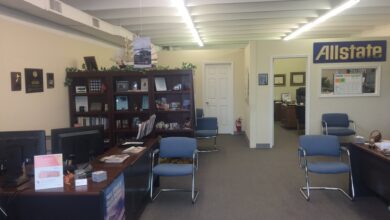
In a city as spread out and fast-moving as Phoenix, the right Allstate agent can feel less like a salesperson and more like a strategic partner. A strong local office helps you move faster, ask smarter questions, and avoid one-size-fits-all coverage choices.
Working with a Phoenix-based agent brings practical advantages that online-only shopping often misses. A local professional usually understands neighborhood traffic patterns, storm exposure, zip-code differences, commuting habits, and the mix of homeowners, renters, and seasonal residents across the Valley. That local perspective can lead to more tailored recommendations, clearer explanations of optional protections, and smoother help when you need to update a vehicle, adjust a deductible, add a teen driver, or navigate a claim.
Phoenix Agent Match Checklist
Not every agency delivers the same experience, so compare them with intention. Look for an office that combines easy access, fast communication, broad policy knowledge, and human support when life changes quickly. If you prefer to speak in Spanish or want flexible meeting times around work or family schedules, those details matter just as much as price.
Use these criteria to evaluate local Allstate agents before you commit:
- Office accessibility: Check location, parking, proximity to home or work, and whether virtual appointments are available.
- Responsiveness: Notice how quickly calls, emails, or quote requests are answered and whether follow-up feels clear and helpful.
- Bilingual support: Confirm English-Spanish service if language comfort is important for policy decisions or claims questions.
- Product range: Ask whether the agency regularly handles auto, home, renters, condo, umbrella, and life coverage.
- Customer reviews: Read recent feedback for patterns involving professionalism, billing help, and problem resolution.
- Appointment flexibility: Look for after-work availability, phone consultations, or weekend options when schedules are tight.
A side-by-side comparison makes the best choice easier, especially when two agencies offer similar pricing but very different service styles.
| Factor | What to Check | Why It Matters | Green Flag |
|---|---|---|---|
| Location | Drive time, parking, online meeting option | Saves time for reviews and urgent questions | Convenient office plus virtual access |
| Communication | Reply speed by phone, email, or text | Helps during policy changes and claims | Same-day response with clear answers |
| Service Fit | Bilingual support and appointment hours | Improves confidence and convenience | Flexible scheduling and language support |
| Coverage Depth | Range of products and review process | Supports bundling and future needs | Explains options without pressure |
Before requesting a quote or policy review, prepare your details so the comparison is fair and efficient. The goal is to give each agency the same baseline information, then evaluate how well each one responds.
- List what you need insured, such as vehicles, home, rental unit, or multiple drivers.
- Gather current declarations pages, driver information, VINs, address details, and any recent claim history.
- Decide your priorities, such as lower premium, stronger liability limits, bundling, roadside help, or local in-person service.
- Contact three local agencies with the same information and request both pricing and coverage explanations.
- Compare not only the quote totals, but also deductibles, endorsements, service availability, and clarity of communication.
- Schedule a short review call with your top choice to confirm recommendations before buying or switching.
Sample customer-service standard: “Your agent returns routine calls within one business day, explains coverage in plain language, reviews policy changes before processing them, and stays available to guide you through claim-related questions from first notice to follow-up.”
The best local match is often the agency that makes you feel informed, not rushed. When an agent can explain trade-offs clearly, spot gaps you may have missed, and stay reachable after the sale, you gain ongoing value beyond the initial quote.
Claims, Policy Management, and Customer Support Experience
When life in Phoenix shifts from routine to urgent, smooth policy access and fast claims support matter just as much as the coverage itself. A well-managed policy can turn a stressful moment into a clear, step-by-step recovery.
Allstate policyholders in Phoenix can typically handle everyday account tasks through local agent offices, customer service phone lines, and digital account tools. That means paying bills, viewing policy documents, downloading ID cards, requesting coverage changes, tracking claims, and checking claim status without waiting for office hours alone. For drivers and homeowners, that mix of in-person help and mobile convenience can be especially useful during monsoon storms, theft incidents, glass damage, or traffic collisions when time-sensitive decisions need quick follow-up.
From First Notice to Final Payout
For both auto and property claims, the experience usually begins with reporting the loss as soon as it is safe to do so. After the claim is opened, a representative or adjuster may request photos, police or incident reports, repair estimates, receipts, and a description of what happened. In many cases, digital uploads speed the review process, while local offices or phone support can help if you need guidance on forms, next steps, or emergency service options. Once damage is reviewed, the claim may move into inspection, repair coordination, and settlement, with updates available through the same support channels used to start the claim.
Here is a practical process Phoenix policyholders can follow to keep things organized and moving:
- Secure people and property first, then prevent additional damage if safe.
- Report the incident promptly through the app, website, phone support, or a local office.
- Gather evidence: photos, videos, dates, witness details, receipts, and any official reports.
- Document temporary repairs and save every invoice before permanent work begins.
- Respond quickly to adjuster questions and upload requested files in one place.
- Review repair estimates, payment details, deductible amounts, and settlement terms carefully.
Strong documentation often makes the biggest difference. After a Phoenix dust storm or hail event, photograph exterior damage from multiple angles before cleanup. After a collision, capture vehicle positions, plate numbers, road signs, weather conditions, and contact details for drivers and witnesses. For theft, list missing items with serial numbers, purchase dates, and receipts if available. If emergency repairs are necessary to stop water intrusion or protect the home, keep before-and-after photos and itemized invoices so the claim file shows exactly why the work was urgent.
Pro Tip: Create a single claim folder on your phone for photos, notes, receipts, and call logs. A clean timeline helps adjusters verify facts faster and reduces back-and-forth delays.
The table below shows how different claim situations are commonly handled:
| Claim Type | First Action | Required Documents | Support Channel |
|---|---|---|---|
| Auto collision | Check safety, call police if needed, report claim | Photos, driver info, police report, repair estimate | Mobile app, claims phone line, local agent |
| Storm or roof damage | Prevent further loss, photograph damage, report incident | Photos, repair invoices, contractor estimate, date of loss | Website, phone support, local office |
| Theft or vandalism | File police report, secure property, notify insurer | Police report, item list, receipts, photos | Claims center, digital portal, agent assistance |
| Water or emergency repair | Stop active damage and document temporary fixes | Before/after photos, mitigation bill, damaged item list | 24/7 claims support, app uploads, office follow-up |
Whether the need is simple policy maintenance or a more urgent claim, the best experience usually comes from using the right channel at the right time: digital tools for speed, phone support for active claim questions, and local offices for personal guidance when decisions feel complex.
Last Word
The best insurance choice in Phoenix is not the loudest promise, but the clearest fit. When you compare coverage, discounts, agent responsiveness, and claims support together, Allstate insurance in Phoenix, AZ can become more than a policy, it becomes a steady plan for driving, living, and rebuilding with less stress. Choose coverage that matches your street, your season, and your next move.
Q&A
What insurance products are commonly available from Allstate in Phoenix, AZ?
Common options include auto, home, renters, condo, motorcycle, and life insurance, with add-ons based on local risks and budget goals.
What auto coverage is most useful for Phoenix drivers?
Many drivers consider liability, collision, comprehensive, uninsured motorist, roadside assistance, and rental reimbursement, especially in heavy traffic and storm seasons.
How do Phoenix weather conditions affect insurance needs?
Extreme heat, dust storms, monsoon rain, hail, and roof exposure can increase the value of vehicle comprehensive coverage and strong home or renters protection.
Is renters insurance worth it in Phoenix?
Yes, renters insurance can help protect personal belongings, provide liability coverage, and support temporary living costs after certain covered losses.
What factors can affect insurance rates in Phoenix?
Rates may be influenced by ZIP code, driving record, claims history, vehicle type, property features, safety devices, and credit-related factors where allowed.
How can I save on Allstate insurance in Phoenix, AZ?
Possible savings may come from bundling, safe-driving habits, multi-vehicle policies, automatic payments, early signing, and approved safety features.
Why choose a local Allstate agent in Phoenix?
A local agent may offer faster guidance, better understanding of neighborhood risks, bilingual service options, and more personalized help during policy changes or claims.