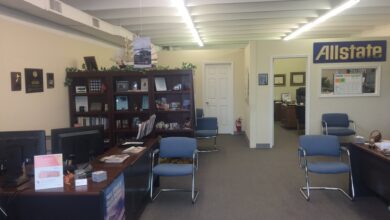
In Tuscaloosa, insurance is not just paperwork; it is a smart shield for real life. From campus traffic and student rentals to family homes, local businesses, and storm-season surprises, allstate insurance tuscaloosa can help people protect what moves, what matters, and what they are building.
Think of it as coverage shaped for the city’s rhythm: auto insurance for busy roads, home and renters protection for changing housing needs, life insurance for future goals, and business coverage for local ambition. With local agent support, practical policy options, and savings opportunities through bundling and safe habits, the right plan can feel less confusing and far more empowering.




Overview of Allstate Insurance Services in Tuscaloosa
In Tuscaloosa, insurance is not just about checking a box; it is about matching coverage to a city that blends college-town energy, suburban growth, heavy commuting, and storm-season reality. A local Allstate provider typically helps residents build protection that fits everyday life here, from campus apartments to family homes and small storefronts.
Insurance needs in Tuscaloosa often shift with the rhythm of the city. Drivers may face game-day traffic, student congestion, and regular commuting routes, while homeowners and renters may think more carefully about wind, rain, and seasonal weather exposure. Add frequent moves tied to the University of Alabama, changing rental demand, and a mix of long-term residents and short-term tenants, and it becomes clear why many people look for flexible policy choices across auto, home, renters, life, and business coverage.
How Coverage Fits Tuscaloosa Lifestyles
A local Allstate insurance office in Tuscaloosa commonly offers a broad menu of policies designed for different stages of life. Auto insurance is often the starting point, helping cover liability, collision, comprehensive damage, and uninsured motorist situations. Home insurance may protect the structure, belongings, and liability exposure for homeowners in established neighborhoods or newer developments. Renters insurance can be especially useful for apartment tenants, including students and young professionals, who want affordable protection for personal items. Life insurance is often chosen by families, new parents, or anyone thinking long term about income protection. Business insurance may support local entrepreneurs who operate shops, offices, service companies, or home-based ventures.
| Coverage Type | What It Commonly Helps Cover | Why It Matters in Tuscaloosa | Best Fit Examples |
|---|---|---|---|
| Auto | Liability, collision, comprehensive, medical payments, uninsured motorist | Useful for daily commuting, student traffic, and busy event weekends | Commuters, students, families with multiple vehicles |
| Home | Dwelling, personal property, guest liability, detached structures | Important for weather exposure and protecting higher-value property investments | Homeowners in subdivisions, long-term residents, growing families |
| Renters | Belongings, liability, temporary living expenses after covered loss | Helpful in a city with active leasing, student housing, and frequent moves | Students, apartment renters, young professionals |
| Life and Business | Income support for loved ones, business property, liability, operations risk | Supports family planning and protects local entrepreneurs from financial disruption | Parents, business owners, self-employed residents |
Who benefits most from these policy types often depends on local living patterns, property setup, and financial goals. Here are practical examples to picture where each option may add value:
- Students: Renters insurance may help protect laptops, phones, and furniture in off-campus housing, while auto coverage can matter for weekend travel and campus-area parking risks.
- Families: Auto and life insurance often work together for households balancing multiple drivers, school schedules, and long-term financial responsibilities.
- Homeowners: Home insurance may be especially important for protecting the house itself, personal belongings, and liability tied to guests or property accidents.
- Renters: People leasing houses, townhomes, or apartments can benefit from low-cost protection for belongings that a landlord policy usually does not cover.
- Small business owners: Business coverage may help protect equipment, inventory, customer liability exposure, and interruptions that affect day-to-day revenue.
Choosing among these options becomes easier when coverage is shaped around how people actually live in Tuscaloosa rather than using a one-size-fits-all template. The strongest value often comes from combining practical protection with local awareness, especially in a city where traffic patterns, housing turnover, and weather exposure can all change what “enough coverage” really means.
Pro Tip: If your situation changes often, such as moving apartments, adding a teen driver, buying a first home, or launching a side business, review policies regularly so coverage keeps pace with life in Tuscaloosa.
Auto Insurance Options and Local Driving Considerations
In Tuscaloosa, the right auto policy is more than a legal checkbox; it is a practical shield for campus traffic, crowded retail corridors, and fast-moving weather. Smart coverage can turn a stressful wreck, hailstorm, or parking-lot scrape into a manageable inconvenience.
Drivers comparing Allstate insurance in Tuscaloosa often start with the core protections. Liability coverage helps pay for injuries or property damage you cause to others. Collision coverage helps repair your own vehicle after an accident, even if you hit a pole or another car. Comprehensive coverage is valuable for non-collision losses such as hail, falling branches, theft, or vandalism. Uninsured/underinsured motorist coverage can be especially important when another driver lacks enough insurance. Optional add-ons like roadside assistance and rental reimbursement add convenience when breakdowns or repairs interrupt your routine.
Coverage Matchups for Real Tuscaloosa Driving
Tuscaloosa driving patterns vary widely, so the best policy often depends on where, when, and how often you drive. Local risk factors can include traffic congestion near major shopping areas, stop-and-go commuting, storm-related vehicle damage during severe weather, parking dings around apartment complexes or campus-adjacent zones, and higher accident exposure near busy commercial roads and university activity. That makes it worthwhile to match protection levels to your daily reality rather than choosing a one-size-fits-all policy.
| Driver Profile | Main Risk | Coverage Priority | Useful Add-Ons |
|---|---|---|---|
| Daily commuters | Rush-hour crashes, intersection claims | Higher liability, collision | Roadside help, rental reimbursement |
| Student drivers | Tight parking, inexperience, campus traffic | Liability, uninsured motorist, collision on newer cars | Roadside help |
| Multi-car households | Several drivers, mixed vehicle values | Tailored deductibles per car, strong liability | Rental reimbursement |
| High-mileage drivers | More exposure to accidents and breakdowns | Collision, comprehensive, uninsured motorist | Roadside help, rental reimbursement |
One effective way to choose coverage is to think in layers: what you must carry, what protects your vehicle, and what protects your schedule. The examples below show how different Tuscaloosa drivers may weigh limits, deductibles, and extras.
- A commuter with a newer SUV may prioritize higher liability limits, plus collision and comprehensive, while choosing a moderate deductible to avoid a large out-of-pocket repair bill.
- A student with an older paid-off sedan may keep liability and uninsured motorist strong, then select collision only if the car’s value still justifies the premium.
- A family with multiple vehicles may use lower deductibles on frequently driven cars and higher deductibles on backup vehicles to balance protection and cost.
- A driver who logs many highway miles may add roadside assistance and rental reimbursement because downtime can disrupt work, classes, or caregiving responsibilities.
- A resident who parks outdoors year-round may lean toward comprehensive coverage because hail, windblown debris, and theft-related losses can happen without a collision.
When narrowing options, compare not just price but how each policy responds to common local incidents. A cheaper quote can feel expensive later if it leaves gaps for weather damage, uninsured drivers, or the need for a temporary replacement car.
Pro Tip: If your car is financed or leased, collision and comprehensive may be required, but even owners with no lender should consider them carefully in Tuscaloosa’s storm season and high-traffic zones.
Pro Tip: Review your deductible against your emergency savings. A lower premium looks attractive until a claim arrives and the deductible feels too heavy to handle comfortably.
Home, Renters, and Property Protection in Tuscaloosa
In Tuscaloosa, the right property coverage does more than replace things after a loss—it helps protect the place you live, the items that make it yours, and the finances you have worked hard to build. Whether you own a house or rent near campus, smart protection can turn a stressful surprise into a manageable setback.
Homeowners insurance may help cover the dwelling itself, along with personal property such as furniture, electronics, and clothing. It can also include personal liability if someone claims you caused injury or property damage, guest medical or injury-related help for minor accidents on the property, and temporary living expenses if a covered loss makes the home unlivable. Renters insurance generally does not cover the building structure, but it can still protect belongings, provide liability support, and help pay for a hotel or short-term stay after a covered event.
Storm-Ready Coverage for Everyday Property Risks
In Tuscaloosa, protection needs often reflect both climate and property layout. Wind and hail can damage roofing, siding, windows, and outdoor equipment. Water damage risks may come from plumbing failures, appliance leaks, or heavy rain entering through a compromised roof, while separate flood protection may still be worth exploring depending on location. Theft can be a concern for both families and renters, especially where laptops, gaming systems, bikes, and jewelry are easy targets. For homeowners, detached structures like sheds, garages, or fences may also need attention so coverage matches what is actually on the property.
The biggest difference between home and renters insurance is not value—it is scope. One helps protect the structure you own plus what is inside it, while the other focuses on what you own and how liability follows you within the rented space.
| Policy | Covered Items | Property Type | Liability Scope | Ideal User |
|---|---|---|---|---|
| Home Insurance | Dwelling, personal property, some detached structures, loss of use | Owned house or owner-occupied residence | Injuries or property damage claims tied to the home | Homeowners wanting broader structure-to-belongings protection |
| Renters Insurance | Personal property, loss of use, selected personal belongings away from home | Leased apartment, house, or student rental | Injuries or accidental damage claims within the rented living space | Tenants needing affordable protection without insuring the building |
Coverage priorities can shift depending on the kind of home you live in and what you keep there.
- Single-family homes: Often need stronger dwelling limits, protection for garages or sheds, and enough coverage for larger furniture sets, yard tools, and appliances.
- Apartments: Usually benefit from renters coverage focused on electronics, clothing, liability, and temporary housing if fire or storm damage forces a move.
- Condos: Owners may need interior-unit protection for walls, cabinets, flooring, and personal property, while the condo association may insure certain exterior elements.
- Student rentals: Lower-cost renters policies can still be valuable for laptops, phones, books, bikes, and liability exposure from guest accidents or accidental damage.
Pro Tip: A low-cost policy can feel expensive if coverage limits are too small. In Tuscaloosa, it is often wiser to match protection to storm exposure, high-use belongings, and the real cost of living elsewhere for a few weeks after a covered loss.
Rates, Discounts, and Ways to Save

In Tuscaloosa, insurance pricing is rarely random—it is shaped by the details of your life, your property, and how much risk you want your policy to carry. The smartest savings strategy is not just chasing the lowest premium, but finding a rate that still protects you when life turns expensive.
For many Allstate shoppers, the final price can shift based on where you live in Tuscaloosa, how often and how far you drive, your driving history, prior tickets or accidents, and your claims record. Home and renters-related pricing may also reflect the age and condition of the property, roof quality, security devices, and exposure to weather-related risk. In states where allowed, credit-related insurance factors may influence premiums as well. On top of that, policy design matters: higher liability limits, lower deductibles, extra endorsements, and broader protection usually raise the premium, while leaner coverage can reduce the monthly bill—but may leave bigger gaps when a claim happens.
Quote-Smart Savings Playbook
Before choosing a policy, compare discounts and coverage structure side by side. A lower number on page one can look attractive, but the better value often comes from combining discount eligibility with deductibles and limits that fit your real-world risk tolerance.
| Savings Option | Who It Helps | Why It Can Lower Cost | What to Check |
|---|---|---|---|
| Bundling | Homeowners, renters, condo owners | Combining auto with property policies often unlocks multi-policy pricing | Whether both policies still offer the limits you need |
| Safe driving | Low-mileage and careful drivers | Clean records and driving-monitoring programs may reduce risk-based pricing | How participation affects privacy, mileage, and discount size |
| Home safety features | Property policyholders | Alarms, smoke detectors, newer roofs, and updated systems may cut claim risk | Which devices or upgrades qualify |
| Claim-free and payment setup | Most policyholders | Fewer past claims, autopay, paperless billing, or paid-in-full options can trim premiums | Whether fees change with monthly installments |
To make a quote work harder for you, review it in a simple, disciplined order instead of focusing only on the monthly amount.
- Start with the coverage limits and confirm they match your assets, income, and exposure to lawsuits or major repair costs.
- Check the deductibles for collision, comprehensive, and property claims, and ask yourself what you could comfortably pay out of pocket tomorrow.
- Scan for optional add-ons, exclusions, and endorsements so you know what is included, what is capped, and what costs extra.
- Compare the quote against your current policy or another offer line by line, not price by price, to avoid accidental underinsurance.
- Adjust limits or deductibles only after deciding your risk tolerance, not just your ideal payment.
These examples show how savings can feel practical instead of theoretical when the policy fits the household.
- A two-car household may save by bundling home and auto, then increasing deductibles slightly if they already keep an emergency fund for minor repairs.
- A renter with an auto policy may find that adding renters insurance costs less than expected once a multi-policy discount applies.
- A family insuring multiple vehicles can benefit from multi-car pricing, especially if one or more drivers also maintain a clean record.
- A homeowner with alarm systems, updated wiring, or a newer roof may combine property-based discounts with paperless billing or automatic payments.
Pro Tip: If a quote looks impressively cheap, test it by asking one question: “Would I still feel protected after a serious accident, theft, or storm loss?” If the answer is shaky, the savings may be too expensive later.
Local Agent Support, Claims Experience, and Customer Service
In Tuscaloosa, insurance feels less overwhelming when you can talk to a real person who knows the area, the weather patterns, and the pace of local life. That is where a local Allstate agent can turn a policy from a generic product into practical day-to-day protection.
A local agent often helps customers compare options, explain limits and deductibles in plain language, review existing coverage as life changes, and prepare accurate quotes for vehicles, homes, rentals, or small business needs. When questions come up after a move, a new driver, a property update, or a billing issue, the value of local support is not just convenience—it is clarity, speed, and confidence. During a claim, that same office may help guide the first steps, explain what documents to gather, and point customers toward the right service channel without the frustration of starting from zero.
How Tuscaloosa Clients Stay Connected
Customers may reach local service in several ways, depending on urgency and preference. Some people want a walk-in conversation at an office, others prefer a quick phone call, and many use digital tools for routine updates. The most effective experience usually comes from combining local human guidance with self-service convenience.
Common ways customers interact with an Allstate agent or service team include:
- Office visits for face-to-face discussions about policy changes, document review, and detailed questions.
- Phone support for billing concerns, quote follow-up, claim reporting guidance, or fast answers during busy days.
- Digital tools such as online account access, mobile apps, e-signatures, and claim status tracking.
- Scheduled consultations for annual coverage checkups, life-event reviews, or business policy discussions.
The table below shows how these service channels typically support different needs.
| Service Category | What Local Support Helps With | Best Channel | Why It Matters |
|---|---|---|---|
| Quoting | Comparing options, explaining deductibles, preparing personalized estimates | Phone, office visit, scheduled consultation | Helps customers understand choices before committing |
| Policy Updates | Adding drivers, changing addresses, updating vehicles or property details | Office visit, phone, digital tools | Keeps coverage aligned with real life |
| Billing Help | Payment questions, due dates, autopay setup, billing clarification | Phone, digital tools | Reduces missed payments and confusion |
| Claims Assistance | Reporting a loss, understanding next steps, document guidance, status follow-up | Phone, digital tools, office support | Creates a calmer path during stressful events |
When urgent situations happen, personalized service can make a meaningful difference in both response time and peace of mind. A local agent may not replace the insurer’s formal claims process, but they can help customers navigate it with more direction and less uncertainty.
Pro Tip: After an accident, storm loss, or major coverage change, contacting a local Tuscaloosa agent quickly can help you organize the right details, avoid delays, and understand which step should happen next. In high-stress moments, familiar local support often feels faster, clearer, and far more reassuring than handling everything alone.
This local connection is especially valuable for people who want regular coverage reviews instead of only hearing from their insurer at renewal time. With ongoing service, customers can ask smarter questions, catch gaps earlier, and make updates before a small issue grows into an expensive surprise.
Choosing the Right Coverage for Residents, Students, and Small Businesses

The best Allstate insurance setup in Tuscaloosa is not the biggest policy; it is the one that fits how you live, drive, rent, own, and work. A smart match protects your budget today while keeping surprise losses from rewriting your plans tomorrow.
Coverage needs can shift fast in a city where family neighborhoods, student housing, rental properties, and local entrepreneurship all exist side by side. Long-term residents may focus on protecting homes, multiple vehicles, and assets, while University of Alabama students often need lower-cost protection for shared apartments, older cars, or limited driving. Landlords think in terms of property income and liability exposure, and small business owners need a blend of personal and commercial safeguards that can keep one incident from becoming a major financial setback.
Coverage Mapping for Real-Life Tuscaloosa Risks
Start with your daily reality, then build outward. The strongest approach is to align life stage, property type, vehicle use, and risk tolerance with coverage that feels intentional rather than generic.
Use this planning framework to narrow the right protection mix:
- Life stage: Residents with families may prioritize higher liability limits, dwelling protection, and umbrella coverage; students may lean toward renters insurance, roadside help, and affordable auto choices.
- Property type: Homeowners often need broader structure and personal property protection, condo owners should look closely at unit improvements and HOA gap areas, and landlords need policies built for tenant-occupied property rather than owner-occupied homes.
- Vehicle use: Daily commuters may want collision, comprehensive, and uninsured motorist coverage; occasional drivers might focus on value-based limits; rideshare drivers should consider coverage that helps bridge app-on driving gaps.
- Budget reality: Choose deductibles you can actually afford after a claim, then add high-impact protections first, such as liability, property damage, and loss-of-use benefits.
Some situations deserve extra attention because they do not fit standard assumptions. Landlord coverage can help protect the structure, certain detached items, and liability tied to tenant injuries, but it usually does not replace the tenant’s own renters policy. Motorcycle coverage may be worth exploring for riders who want protection for the bike, custom parts, medical payments, and seasonal usage patterns. Condo coverage matters when ownership stops at the walls in, making interior fixtures, flooring, and personal belongings your responsibility. For entrepreneurs, business liability can be essential if customers visit your space, employees handle deliveries, or your work could cause financial or bodily harm.
Pro Tip: If you are a student, landlord, or business owner using one vehicle for mixed personal and income-producing activity, ask directly whether your current policy still applies in every phase of use.
The side-by-side view below helps translate broad categories into practical decisions.
| Audience Type | Likely Insurance Needs | Useful Add-Ons | Coverage Review Priorities |
|---|---|---|---|
| Long-term residents | Home, auto, higher liability limits, personal property protection | Umbrella, roadside assistance, water backup if available | Home value changes, teen drivers, bundled policy fit |
| University students | Renters, basic auto, liability for shared living situations | Electronics coverage, roadside help, identity-related protection | Off-campus moves, car usage, deductible affordability |
| Landlords and condo owners | Dwelling or condo coverage, liability, loss-related property protection | Vandalism options, loss-of-rents features where applicable | Tenant turnover, HOA responsibilities, unit upgrades |
| Small business owners | Commercial auto if needed, business liability, property protection | Equipment coverage, cyber-related options, hired/non-owned auto | Revenue growth, employee use, home-based business gaps |
The key is precision: buy for the way you actually live in Tuscaloosa, not the way a standard policy assumes you do.
Closure
The best insurance choice in Tuscaloosa is the one that fits your life today while staying flexible for tomorrow. Whether you are a student, homeowner, renter, commuter, landlord, or small business owner, allstate insurance tuscaloosa can offer a more confident path through accidents, weather losses, and everyday uncertainty. Review your risks, compare your priorities, and choose coverage that turns caution into calm.
FAQ
What types of policies are commonly available through allstate insurance tuscaloosa?
Common options include auto, home, renters, life, condo, landlord, motorcycle, and small business insurance.
Why do Tuscaloosa drivers often need strong auto coverage?
Local drivers may face campus traffic, crowded shopping areas, storm damage risks, and uninsured motorist exposure, making broader protection valuable.
Is renters insurance useful for University of Alabama students?
Yes. It can help protect personal belongings, provide liability coverage, and support temporary living expenses after a covered loss.
How can homeowners in Tuscaloosa choose better property coverage?
They should review dwelling limits, personal property protection, liability needs, deductibles, and risks such as wind, hail, water damage, and detached structures.
What discounts may help lower insurance costs?
Possible savings may come from bundling policies, safe driving habits, claim-free history, home safety devices, autopay, and insuring multiple vehicles.
How does a local Allstate agent help customers?
A local agent may assist with quotes, policy reviews, billing questions, coverage updates, and claims guidance during stressful situations.
Who should review coverage most carefully in Tuscaloosa?
Students, families with multiple cars, renters, landlords, rideshare drivers, and small business owners should all review coverage based on lifestyle and risk.