Finding the right protection in Tulsa should feel empowering, not exhausting. AAA Insurance is often associated with practical options for auto, home, renters, motorcycle, and roadside-related needs, making it appealing for commuters, families, students, renters, and multi-vehicle households that want flexible protection in one place.
Think of it as building a safety net that fits real life in Tulsa. Auto coverage can include liability, collision, comprehensive, uninsured motorist, medical payments, and deductible choices, while home and renters policies help protect property, belongings, and liability. Add-ons such as roadside assistance, rental reimbursement, glass coverage, and bundle savings can turn a basic policy into a smarter shield for busy local living.



AAA Insurance options in Tulsa, OK
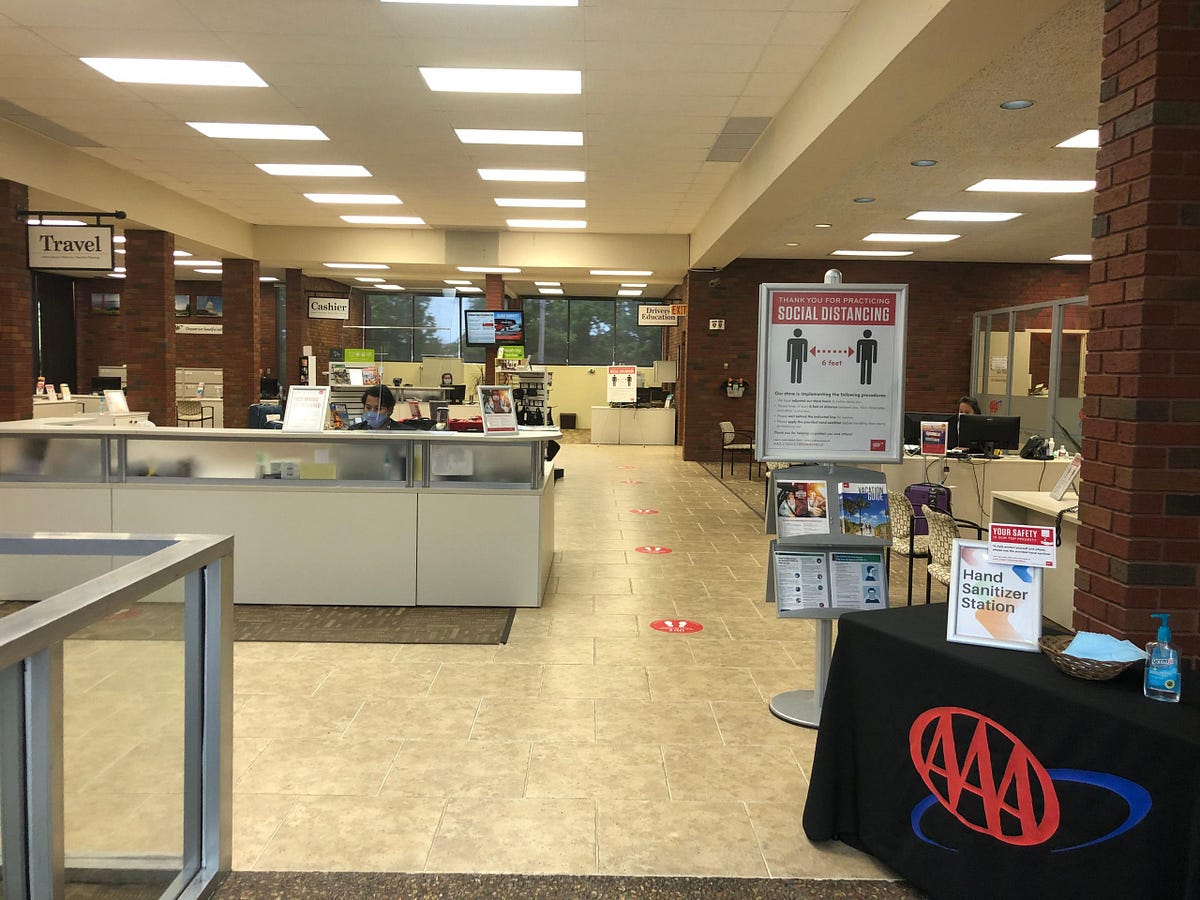
In Tulsa, AAA Insurance is less about one-size-fits-all protection and more about building a practical safety net around how you actually live, drive, and rent or own. Whether you are weaving through weekday traffic, parking near campus, or protecting a family home from surprise setbacks, the right mix can feel refreshingly strategic.
AAA policies commonly associated with Tulsa drivers and households include auto, home, renters, motorcycle, and roadside-related coverage. Each serves a different rhythm of life: commuters often start with auto, families may combine auto and home, renters and students usually look for affordable personal property protection, while multi-vehicle households and riders may value flexible policy combinations and roadside help that keeps disruptions short.
Everyday Protection Paths for Tulsa Lifestyles
The easiest way to compare AAA Insurance options in Tulsa is to look at what each policy is designed to protect, what can be added for a more tailored setup, and who typically benefits most from it. The table below keeps that decision practical and clear.
| Policy type | Core protection | Optional add-ons | Ideal customer profile |
|---|---|---|---|
| Auto | Liability, collision, comprehensive, uninsured/underinsured motorist, medical payments or personal injury protection where applicable | Rental reimbursement, roadside assistance, gap-style options, higher liability limits | Commuters, families, teen-driver households, multi-car owners |
| Home | Dwelling, other structures, personal property, liability, loss of use | Scheduled valuables, water backup, identity-related services, enhanced personal property protection | Homeowners, growing families, buyers wanting bundled protection |
| Renters | Personal belongings, personal liability, additional living expenses after a covered loss | Jewelry or electronics scheduling, extra liability, guest-related protection extensions | Renters, students, first-apartment residents, budget-focused households |
| Motorcycle | Liability, collision, comprehensive, injury-related protection, uninsured motorist options | Accessory coverage, transport interruption, roadside help for bikes | Weekend riders, daily motorcycle commuters, owners with custom gear |
| Roadside-related coverage | Towing, battery jump-starts, lockout service, fuel delivery, flat tire assistance | Expanded service distance, trip interruption features, broader membership-linked travel help | Drivers with older vehicles, busy commuters, parents, frequent road-trippers |
Here is how these options can play out in real Tulsa life, where weather shifts, commute patterns, and housing setups all influence what feels essential versus optional.
- A downtown commuter who faces heavy traffic on U.S. 75 may lean on auto coverage with collision and roadside help for fender-bender risks and dead-battery surprises.
- A family in South Tulsa may prefer home plus multi-vehicle auto protection so both the property and several drivers are covered under a coordinated setup.
- A college student renting near campus may choose renters insurance to protect a laptop, clothes, and furniture after theft, smoke damage, or a covered apartment incident.
- A rider using a motorcycle for both errands and leisure may want motorcycle coverage with accessory protection to account for helmets, custom parts, and storm-related damage.
These examples matter because the best policy match is often shaped by routine, not theory. A driver with a short daily commute may focus on affordability and liability basics, while a household with two cars, a teen driver, and a mortgage may prioritize broader property and vehicle protection across multiple risk points.
Pro Tip: If your life overlaps categories, such as driving daily, renting an apartment, and relying on an older car, stacking auto, renters, and roadside-related protection can create a smarter buffer against the small disruptions that tend to become expensive fast.
- Choose auto first if driving is your biggest day-to-day exposure.
- Add home or renters coverage if your belongings or property create the next major financial risk.
- Include motorcycle or roadside-related coverage when your vehicle use or reliability needs go beyond the basics.
Coverage details, limits, and optional add-ons
The right auto policy is not just about having insurance—it is about knowing what gets paid, when it gets paid, and where your gaps still live. If you drive in Tulsa, smart coverage choices can turn a stressful accident into a manageable inconvenience.
AAA auto insurance typically starts with the core protections most Oklahoma drivers expect, then lets you build outward. In simple terms, liability helps pay for damage or injuries you cause to others, collision helps repair your car after a crash, and comprehensive covers non-collision problems like theft, hail, fire, or falling objects. Uninsured/underinsured motorist coverage can step in if the other driver has too little insurance, while medical payments coverage helps with medical bills for you and passengers after a covered accident. Your deductible is the amount you pay first on certain claims; a higher deductible usually lowers your premium, while a lower deductible can reduce out-of-pocket stress after a loss.
How to build a stronger protection mix
Think of coverage in layers. Basic protection focuses on legal essentials and budget control, while expanded protection adds more help for your own vehicle, your passengers, and everyday disruptions after an accident. That difference matters when repairs, rental cars, or weather-related damage hit all at once.
Here is the quick side-by-side most drivers find useful before choosing limits and extras:
- Basic protection: usually centers on liability coverage, state-required minimums, and fewer add-ons.
- Basic protection: may leave you paying for your own car repairs after a crash if collision is not included.
- Expanded protection: often includes collision, comprehensive, higher liability limits, and stronger uninsured motorist protection.
- Expanded protection: can reduce financial shocks from hail, theft, windshield damage, or temporary transportation needs.
Optional features often make the policy feel more practical day to day. Common add-ons include roadside assistance for breakdowns, rental reimbursement when your car is in the shop after a covered claim, and glass coverage for windshield repair or replacement. Some policies also offer accident forgiveness, which may help prevent your rate from rising after a first eligible accident. If you combine auto with another policy, bundle-related enhancements may include broader discounts, easier policy management, or upgraded convenience features depending on eligibility.
Pro Tip: If you finance or lease your vehicle, basic coverage may not be enough. Lenders commonly require collision and comprehensive, and Tulsa weather can make that extra protection especially valuable.
The table below breaks down how the most common coverage pieces usually work:
| Coverage name | What it protects | When it applies | Common limitations |
|---|---|---|---|
| Liability | Other people’s injuries and property damage you cause | At-fault accident | Does not repair your own vehicle; capped by policy limits |
| Collision | Your vehicle | Crash with another car or object | Deductible applies; limited to vehicle value |
| Comprehensive | Your vehicle from non-collision losses | Theft, hail, fire, vandalism, animal strikes | Deductible applies; excludes routine wear and maintenance |
| Uninsured/Underinsured Motorist | Your injuries and, in some cases, vehicle damage | Other driver lacks enough insurance | Rules vary by policy and state option selections |
| Medical Payments | Medical expenses for you and passengers | Covered accident regardless of fault | Lower limits; not a substitute for full health coverage |
Rates, discounts, and savings opportunities in Tulsa
In Tulsa, the lowest quote is not always the smartest buy. Real savings come from understanding why rates move and which discounts can quietly trim your premium without thinning your protection.
Insurance pricing often reflects a mix of personal and local risk signals. In Tulsa, carriers commonly look at your driving record, vehicle type, and ZIP code, since traffic patterns, theft rates, repair costs, and storm exposure can vary by area. Age and driving experience may affect perceived risk, while annual mileage can influence how much exposure you have on the road. A recent claims history may raise rates, and in some cases insurers may also use credit-related factors where legally allowed. Newer cars with costly parts, sports models, and vehicles with higher theft appeal can also push premiums upward.
How to spot real value before you say yes
Discounts can create meaningful savings, but the best outcome usually comes from pairing those savings with usable coverage, fair deductibles, and reliable support when something actually goes wrong. Start by comparing both the rate and the reason behind it.
Common discount categories often include the following:
- Bundling: combining auto with home, renters, or another eligible policy.
- Safe driver: maintaining a clean record with no recent accidents or major violations.
- Multi-car: insuring more than one vehicle on the same policy.
- Good student: available for qualifying younger drivers with strong grades.
- Defensive driving: completing an approved driver-safety course.
- Paid-in-full: paying the policy term upfront instead of monthly installments.
- Membership-related savings: discounts tied to eligible AAA membership status.
Use this quick side-by-side view to identify opportunities that may fit your situation in Tulsa:
| Discount type | Eligibility example | Possible benefit | Practical tip |
|---|---|---|---|
| Bundling | Auto plus renters or home policy | Lower combined premium | Compare bundle total, not just auto line price |
| Safe driver | No recent tickets or at-fault accidents | Stronger long-term savings | Ask how long violations affect pricing |
| Multi-car | Two or more household vehicles | Per-vehicle discount | Check whether all drivers must be listed |
| Good student | Student meets grade requirement | Reduced premium for young driver | Keep transcripts ready for renewals |
| Defensive driving | Approved course completion | Discount plus better habits | Confirm course acceptance before enrolling |
| Paid-in-full | Single upfront payment | Avoid installment fees | Compare cash-flow impact with total savings |
| Membership-related | Eligible AAA member | Added price break or perks | Ask if tenure affects the offer |
To estimate overall value beyond price alone, follow a simple decision process:
- Match quotes at the same liability limits and deductibles so the comparison is fair.
- Check whether comprehensive and collision deductibles feel affordable after a Tulsa hailstorm or other sudden loss.
- Review coverage depth, including uninsured motorist, medical-related options, rental reimbursement, and roadside-related features if offered.
- Look at claim support and service access: local help, app tools, phone availability, and repair coordination can matter as much as a modest rate difference.
- Estimate your annual total by adding premium, likely out-of-pocket deductible exposure, and any fees.
Pro tip: If one quote is dramatically cheaper, ask what changed. A lower price may come from reduced limits, removed protections, or a much higher deductible rather than a true savings win.
Membership benefits, roadside assistance, and local service access
For many Tulsa drivers, AAA can deliver value long before a major claim ever happens. Membership adds practical, everyday backup that turns stressful roadside moments into manageable detours.
That distinction matters: auto insurance usually helps after a covered accident, loss, or damage event, while AAA membership services are designed for immediate, on-the-road support. When paired thoughtfully, they create a more complete safety net for local drivers who commute across Tulsa, head onto I-44, or take weekend trips across Oklahoma.
Everyday backup beyond the policy paperwork
AAA membership and auto insurance work side by side, but they do different jobs. Insurance focuses on covered financial losses, liability, and repairs tied to your policy terms. Membership services focus on convenience, mobility, and fast help when your car will not cooperate. That can mean a tow from a broken-down vehicle, a jump-start in a grocery store parking lot, or lockout assistance when your keys are sitting on the front seat.
| Service type | Usually tied to membership | Usually tied to insurance |
|---|---|---|
| Towing after a mechanical breakdown | Yes | Not always |
| Lockout help | Yes | Rarely |
| Battery jump or basic battery service | Yes | Rarely |
| Damage from a covered crash | No | Yes |
| Liability for injuries or property damage | No | Yes |
Here is where roadside and travel-style support can feel especially valuable for Tulsa members and policyholders.
- Towing support: Useful when your vehicle stalls on the Broken Arrow Expressway, overheats in summer traffic, or refuses to restart after work downtown.
- Flat tire help: A major relief if you pick up debris on a highway shoulder and do not want to change a tire in unsafe conditions.
- Battery assistance: Helpful during cold snaps, after leaving lights on, or when an aging battery dies in a parking lot.
- Lockout service: Ideal when keys are locked inside the car during a rushed school drop-off, errand run, or stop at a Tulsa event venue.
- Trip support and travel perks: Added value for members who appreciate maps, planning help, discounts, or travel-related savings beyond pure vehicle protection.
For local drivers, the appeal is not just emergency response; it is the time saved, the reduced hassle, and the confidence of knowing help is easier to reach. That convenience can complement insurance-related value by reducing out-of-pocket roadside surprises and helping you get moving again without turning every setback into a major disruption.
Pro Tip: For Tulsa members, convenience often shows up in small but meaningful ways: one contact point for roadside requests, support during regional road trips, help coordinating a tow to a nearby repair shop, and access to travel-oriented discounts that can stretch the value of membership beyond the car itself.
- Use membership services for breakdowns, lockouts, dead batteries, and trip-planning support.
- Use insurance coverage for covered accidents, vehicle damage, liability claims, and other policy-defined losses.
- Review both together so you know exactly which service to call when a problem happens.
Claims process, customer service, and policy management
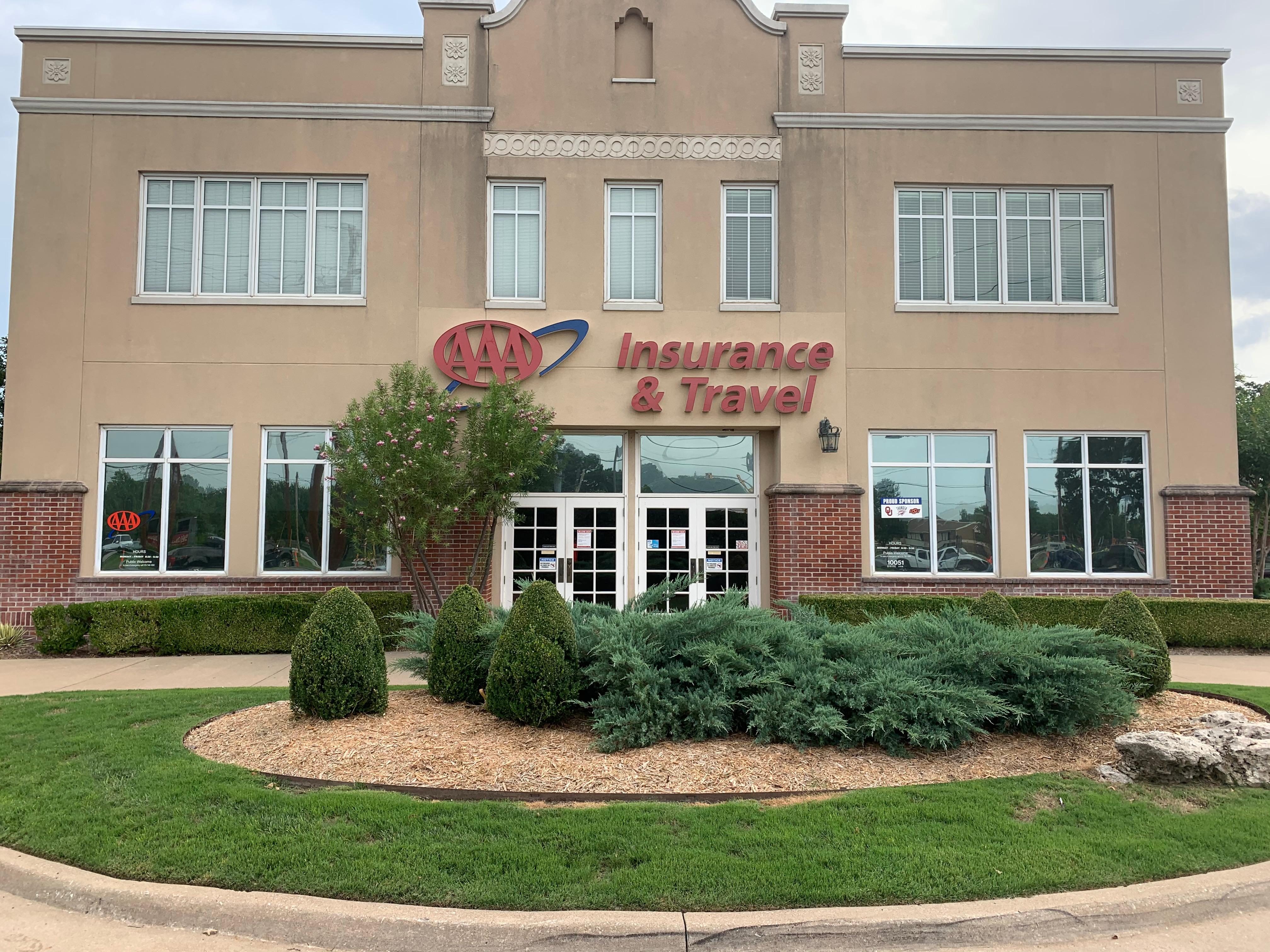
When a crash interrupts your day in Tulsa, a clear claims path can turn confusion into momentum. The best experience usually comes from acting quickly, documenting thoroughly, and using every support channel available.
With AAA insurance in Tulsa, OK, the process typically starts with first notice of loss, then moves through documentation, adjuster review, repair coordination, and payment or settlement. Timing varies by damage severity and liability questions, but straightforward auto claims often move faster when photos, police details, repair estimates, and contact information are submitted early and accurately.
From roadside stress to organized next steps
Most auto claims follow a practical sequence: report the incident, share evidence, confirm coverage, speak with the assigned adjuster, review repair options, and track payment updates. If the vehicle is drivable, you may be guided to an approved repair facility; if not, towing and inspection steps may be arranged first. The adjuster reviews damage, statements, and any police report, then helps determine liability, estimate costs, and move the claim toward repair authorization, reimbursement, or settlement.
For Tulsa drivers, a calm procedure matters just as much as coverage. Use this checklist right after an incident so your claim starts strong and stays organized.
- Move to safety if possible, turn on hazard lights, and check for injuries before discussing vehicle damage.
- Call 911 when anyone is hurt, traffic is blocked, or police documentation is needed.
- Take photos of all vehicles, license plates, the roadway, skid marks, traffic signs, weather, and visible injuries if appropriate.
- Exchange names, phone numbers, addresses, driver’s license details, insurance information, and vehicle registration with the other driver.
- Collect witness names and contact details, especially if fault may be disputed later.
- Avoid admitting fault at the scene; stick to clear facts when speaking with police, the other party, and the insurer.
- Report the claim through phone, app, online account, or local office support as soon as practical.
- Save receipts for towing, temporary transportation, or emergency roadside costs if your policy may reimburse them.
Customer service and policy management are often available through multiple access points, which can be especially helpful if you want both digital speed and human guidance. Many policyholders use a local branch for document help, billing questions, or claim clarification, while phone support handles urgent reporting and status checks. Mobile app and online account tools can make it easier to upload photos, review policy documents, track claims, update contact information, manage automatic payments, view ID cards, and monitor billing due dates.
| Claim stage | Customer action | Insurer response | Helpful preparation tips |
|---|---|---|---|
| Report loss | Submit claim details, location, and involved parties | Open claim file and provide claim number | Keep policy number, date, and time ready |
| Evidence review | Upload photos, police report, and witness info | Assign adjuster and review liability/damages | Organize images by angle and damage area |
| Repair coordination | Choose or confirm repair facility, discuss towing | Inspect vehicle and approve estimate steps | Ask about rental, parts timing, and updates |
| Settlement/payment | Review offer, deductible, and final paperwork | Issue payment or finalize covered repairs | Save invoices and confirm all repairs completed |
Policy management also becomes easier when you treat your insurance account like a living file instead of a once-a-year task. Keep contact details current, review listed drivers and vehicles after life changes, and check billing settings before renewal periods so there are no avoidable delays if a claim happens.
Pro Tip: Create a small “accident kit” in your glove box with your insurance card, a pen, a phone charger, and a checklist of post-accident steps. Fast preparation often means faster claim handling.
Choosing the right AAA Insurance fit in Tulsa, OK
The best AAA Insurance setup in Tulsa is not the one with the longest feature list; it is the one that fits how you drive, live, and recover from surprises. A smart match keeps your premium purposeful while protecting the parts of life that would cost the most to replace.
Start by lining up your real-world needs with your policy structure. A Midtown commuter may care most about dependable daily-use protection, while a family in South Tulsa may need a broader mix of auto and home safeguards, flexible billing, and support that still feels practical when weather, travel, or a household change interrupts the routine.
Smart-match checklist for real Tulsa lifestyles
Use this side-by-side view to compare where your priorities likely belong, then verify the policy details that shape value over time. The strongest choice usually balances monthly affordability, claim resilience, and household convenience, rather than chasing the absolute lowest price.
| Situation | What to prioritize | What to double-check |
|---|---|---|
| Daily commuting | Reliable liability, collision, rental or transportation help | Deductible size, commute mileage, roadside access |
| Teen drivers | Strong liability limits, driving habit support, family-wide coordination | Rate impact, exclusions, accident forgiveness availability |
| High-value vehicles | Repair quality, agreed or suitable value options, specialty endorsements | Parts restrictions, storage terms, usage limits |
| Renters | Personal property and liability protection | Electronics, jewelry, water-related exclusions, guest injury limits |
| Homeowners | Dwelling strength, personal property, liability, weather readiness | Policy limits, wind or water exclusions, rebuild assumptions |
| Frequent travelers | Easy policy access, roadside coordination, property-away-from-home help | Support hours, app tools, payment flexibility, territory rules |
Before selecting a plan, review the details that most often change the outcome after a loss. Focus on whether deductibles are comfortable in an emergency, whether policy limits reflect replacement reality, whether exclusions create silent gaps, whether endorsements close those gaps, whether payment options fit your cash flow, and whether service support is easy to reach when timing matters.
Decision framework: use these checkpoints to narrow the right fit without overbuying or leaving key exposures uncovered.
- Set your budget band: choose a premium you can sustain year-round, not just during quote shopping.
- Measure risk tolerance: higher deductibles may lower premiums, but only if you could comfortably pay them after an incident.
- Map vehicle usage: daily commuting, teen use, business-like errands, and limited-use driving can point to different priorities.
- List household assets: include the home, valuables, electronics, savings exposure, and liability concerns tied to guests or young drivers.
- Flag gap areas: note exclusions, special items, weather concerns, and travel habits that may call for endorsements.
- Test convenience: compare billing frequency, digital access, and support availability before you commit.
Pro tip: If your budget is tight, protect the biggest financial risks first with solid liability and realistic property limits, then adjust deductibles and add-ons with intention instead of cutting core protection too deeply.
Illustration description: show a Tulsa household at a kitchen table reviewing auto and home insurance papers, with a laptop displaying side-by-side coverage comparisons. Include roadside icons like a tow truck, flat tire, and battery, plus subtle Tulsa cues such as a city skyline silhouette and neighborhood-style homes. One side of the visual highlights lower-premium, higher-deductible choices; the other shows broader protection with stronger limits and endorsements, helping viewers quickly see the trade-off between cost and confidence.
Summary
The best AAA Insurance fit in Tulsa, OK comes from matching coverage depth to how you actually drive, live, and travel. Review limits, deductibles, exclusions, endorsements, payment options, and service access before choosing. When you compare value, not just price, you give yourself something better than a cheap premium: confidence on Tulsa roads, stronger property protection, and support when life suddenly changes course.
FAQ Section
What insurance products are commonly linked with AAA in Tulsa?
Usually auto, home, renters, motorcycle, and roadside-related protection, with bundle options that may improve convenience and savings.
Who may benefit most from AAA auto insurance in Tulsa?
Daily commuters, families with teen drivers, students, multi-car households, and drivers who want roadside help paired with standard vehicle coverage.
What is the difference between liability and full coverage?
Liability helps pay for damage or injuries you cause to others, while expanded protection may add collision and comprehensive for your own vehicle.
When does roadside assistance help more than auto insurance?
Roadside membership services are useful for flat tires, dead batteries, lockouts, and towing, while insurance is mainly for covered losses and claims.
What affects insurance rates in Tulsa, OK?
Common factors include driving history, age, vehicle type, mileage, ZIP code, claims record, household setup, and credit-related factors where allowed.
Which discounts should Tulsa drivers ask about?
Look for bundling, safe driver, multi-car, good student, defensive driving, paid-in-full, and membership-related discounts.
How should I handle an accident before filing a claim?
Stay safe, call for help if needed, take photos, exchange information, document the scene, notify the insurer quickly, and keep repair and claim notes organized.