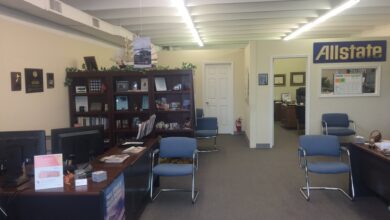
In Atoka, Oklahoma, insurance is more than paperwork. It is a practical shield for daily driving, changing weather, rural roads, family homes, rentals, motorcycles, and long-term financial security. A nearby AAA-style office is often valued for face-to-face help, claims guidance, renewals, billing support, and fast policy adjustments when life shifts unexpectedly.
Because Atoka blends small-town community ties with real exposure to storms, commuting, and property risks, smart coverage choices should feel local, flexible, and easy to understand. The goal is simple: protect what matters now while making future decisions with more confidence and less guesswork.






| Service Type | Typical Use | Main Benefit | Ideal Customer |
|---|---|---|---|
| Auto | Daily driving | Liability and vehicle repair help | Commuters |
| Home | House protection | Structure and belongings coverage | Homeowners |
| Renters | Apartment or rental | Personal property protection | Tenants |
| Life | Family planning | Financial support for loved ones | Parents and couples |
- Common updates include a new car, teen driver, home purchase, marriage, move, or adding valuables.
- Bundling auto and home or renters can simplify payments and may reduce overall cost.
- Motorcycle owners often review seasonal use, storage, and liability needs.
| Coverage Option | What It Covers | Possible Limits | Best Fit |
|---|---|---|---|
| Liability | Damage or injury to others | Policy maximums | All drivers |
| Collision | Your car after impact | Deductible applies | Newer vehicles |
| Comprehensive | Theft, hail, fire, glass | Exclusions vary | Weather-exposed owners |
| Property Protection | Home structure and contents | Named limits | Owners and renters |
- Add-ons may include roadside assistance, towing, rental reimbursement, and extra weather-related protections.
- Higher deductibles can lower premiums, but increase out-of-pocket cost during a claim.
- Single driver mix: liability plus uninsured motorist and roadside.
- Family mix: bundled auto and home with higher liability limits.
| Cost Factor | Impact on Premium | Discount Opportunity | Customer Tip |
|---|---|---|---|
| Driving record | Major effect | Safe driver | Avoid violations |
| Age | Can raise or lower price | Good student | Review at milestones |
| Vehicle or property type | Affects repair risk | Multi-policy | Match coverage to value |
| Claims history | May increase rates | Loyalty or low mileage | Compare yearly |
| Step | Required Information | Expected Action | Helpful Tip |
|---|---|---|---|
| Report claim | Policy details, photos | Open claim | Act quickly |
| Review | Reports, receipts | Adjuster contact | Keep records organized |
| Repair | Estimates | Coordinate service | Confirm approval first |
| Settlement | Final documents | Payment or closure | Ask about next steps |
Timely reporting and accurate records often make claims smoother, faster, and less stressful.
| Evaluation Point | Why It Matters | What to Review | Customer Advantage |
|---|---|---|---|
| Reputation | Builds trust | Local feedback | Confidence |
| Responsiveness | Speeds service | Callback time | Less delay |
| Coverage range | Improves fit | Policy options | Better protection |
| Payment flexibility | Eases budgeting | Installments | Convenience |
| Risk Type | Seasonal Concern | Recommended Review | Coverage Consideration |
|---|---|---|---|
| Hail and wind | Storm season | Check deductibles | Comprehensive |
| Rural driving | Year-round | Verify liability | Uninsured motorist |
| Property exposure | Weather shifts | Update home values | Dwelling limits |
| Long commutes | Frequent travel | Mileage review | Roadside support |
AAA Insurance Services in Atoka, OK
In Atoka, OK, insurance is not just paperwork—it is practical protection for the roads you drive, the home you value, and the people who count on you. AAA-style insurance services stand out when they combine trusted coverage with the kind of local help that feels fast, clear, and personal.
Residents in Atoka commonly look for insurance that matches everyday life in a small Oklahoma community. That usually includes auto insurance for commuting and family vehicles, home insurance for primary residences, renters coverage for leased homes or apartments, motorcycle insurance for seasonal riders, and life insurance for long-term family planning. A nearby office is often expected to do more than sell a policy; customers want in-person guidance, help reviewing documents, support when starting a claim, and easy policy changes when life shifts.
What Local Service Really Means
Atoka is a south-central Oklahoma community where relationships still matter, and that shapes what people want from an insurance office. Local drivers may travel highways regularly, homeowners may want protection that reflects property needs, and families often prefer talking with someone face to face instead of navigating every change online. In this setting, accessible service, practical explanations, and quick adjustments can matter just as much as the policy itself. That is why many customers look for one office that can help manage multiple types of protection under one roof.
| Service Type | Typical Use | Main Benefit | Ideal Customer |
|---|---|---|---|
| Auto Insurance | Daily driving, family cars, work commutes | Helps cover liability, vehicle damage, and unexpected road incidents | Drivers who want dependable local assistance |
| Home Insurance | Owner-occupied houses and property protection | Supports recovery after covered damage or loss | Homeowners protecting both structure and belongings |
| Renters Insurance | Leased houses, duplexes, or apartments | Protects personal items and may help with liability needs | Tenants wanting affordable, simple protection |
| Motorcycle Insurance | Recreational and regular riding | Adds specialized coverage for bikes and riding risks | Riders needing focused protection beyond auto coverage |
| Life Insurance | Family financial planning and future security | Helps loved ones manage expenses after a loss | Parents, couples, and income providers |
People in Atoka also value an office that stays available after the sale. The strongest local experience often includes help with renewals, answering billing questions, updating named drivers or property details, and walking customers through claim-related paperwork without making the process feel overwhelming.
Here are common moments when residents may need a policy review, renewal, or bundled protection:
- Buying a new car, adding a teen driver, or replacing an older vehicle.
- Purchasing a home, refinancing, or making major upgrades to the property.
- Moving into a rental and needing quick proof of insurance for a landlord.
- Getting married, growing a family, or revisiting life insurance needs.
- Owning both a home and vehicles, which can make bundled coverage more convenient.
- Starting to ride a motorcycle and needing separate protection tailored to that use.
Pro Tip: If your household has changed in the last year—address, vehicles, drivers, or major purchases—it is smart to schedule a local policy checkup. Small updates made early can help keep protection aligned with real life in Atoka.
Coverage Options, Policy Features, and Add-Ons
The smartest policy in Atoka is not the one with the longest name—it is the one that pays where life actually hits. For drivers and property owners alike, the real win comes from matching core protection with practical extras that keep surprise costs from snowballing.
Auto coverage usually starts with liability, which helps pay for injuries or damage you cause to others. Collision helps repair your own vehicle after a crash, while comprehensive covers non-collision events such as hail, theft, fire, or falling debris. Uninsured/underinsured motorist can be especially valuable if another driver lacks enough coverage. For homes and rentals, property protection generally covers the dwelling or belongings against named risks, with liability protection helping if someone is injured on the property.
Building a Policy That Works Harder
Policy features matter just as much as the headline coverage type. In Oklahoma, add-ons like roadside assistance, towing, and rental reimbursement can turn a stressful breakdown or accident into a manageable inconvenience. Weather-focused protections may also matter, especially where wind, hail, and storm damage can drive repair costs fast. Homeowners may want endorsements for higher-value items, water backup, or extended replacement cost, while renters often benefit from personal property and loss-of-use protection.
| Coverage Option | What It Covers | Possible Limits | Best Fit |
|---|---|---|---|
| Liability | Bodily injury and property damage you cause to others | State minimums or higher split/single limits | Every driver; higher limits help protect savings |
| Collision | Your vehicle after an accident, regardless of fault | Actual cash value minus deductible | Newer or financed vehicles |
| Comprehensive / Property Protection | Hail, theft, fire, vandalism, storms, and covered property loss | Policy limits, replacement cost options, deductibles | Drivers facing weather risk; homeowners and renters |
| Uninsured Motorist | Injuries and sometimes property losses caused by underinsured drivers | Often mirrors liability selections | Drivers wanting stronger financial backup |
Value is shaped by three levers: deductibles, limits, and exclusions. A higher deductible usually lowers premiums, but it raises your out-of-pocket cost when you file a claim. Higher limits cost more upfront, yet they can save you from major financial strain after a severe accident or property loss. Exclusions are the fine print that defines what is not covered, so it is important to check for limits on flood, wear and tear, specialty valuables, or certain weather-related scenarios.
Pro Tip: A cheaper premium can hide a painful trade-off if deductibles are high or important exclusions leave common Oklahoma risks only partly covered.
Here are practical policy combinations that often make sense:
- Single driver: Liability, uninsured motorist, collision, comprehensive, roadside assistance, and rental reimbursement.
- Family with multiple vehicles: Higher liability limits, uninsured motorist, collision/comprehensive on newer cars, towing, and rental coverage.
- Homeowner: Dwelling and personal property coverage, personal liability, storm-focused endorsements, water backup, and extended replacement cost if available.
- Renter: Personal belongings, liability, loss-of-use coverage, and optional scheduled protection for jewelry, electronics, or collectibles.
Rates, Discounts, and Cost Factors
Insurance pricing in Atoka, OK is not random—it is shaped by the details you bring to the policy. The good news is that smart comparisons, timely reviews, and the right discounts can turn a higher quote into a more manageable monthly cost.
Whether you are insuring a car, home, or combining multiple policies, insurers usually look at a mix of personal risk, property or vehicle specifics, past claims activity, and local conditions. In Atoka, that can mean your premium reflects not only your driving record or home construction, but also weather exposure, repair costs, commute habits, and how often you have filed claims. Even small profile changes—like driving fewer miles or updating safety features—can create savings opportunities.
What Shapes Your Premium Behind the Scenes
Core pricing factors often work together, so one strong area may help balance another. A clean driving history can support lower auto rates, while a newer vehicle with expensive parts may raise them. For property coverage, roof age, construction materials, location-specific storm exposure, and prior losses may all influence cost. Younger drivers may see higher premiums at first, while established drivers with consistent records may qualify for stronger savings tiers.
| Cost Factor | Impact on Premium | Discount Opportunity | Customer Tip |
|---|---|---|---|
| Driving record | Tickets or accidents may increase auto premiums | Safe driver savings | Maintain a clean record and ask when violations stop affecting rates |
| Age and experience | Young or newly licensed drivers often pay more | Good student, driver training | Share report cards and course completion promptly |
| Vehicle type | Luxury, sporty, or costly-to-repair models can raise rates | Low mileage, safety feature discounts | Compare insurance costs before buying a vehicle |
| Property details and claims history | Older roofs, prior losses, or higher local weather risk may increase premiums | Multi-policy, loyalty savings | Update home improvements and review deductibles carefully |
Discounts can make a meaningful difference when stacked appropriately. Common options may include multi-policy, safe driver, defensive driving, good student, low mileage, and loyalty discounts. Availability varies by insurer and policy type, so it is worth asking for a full review rather than assuming every eligible credit has already been applied.
Bundling auto, home, renters, or other policies can improve both convenience and cost control. Managing coverage with one insurer may simplify billing, renewals, and policy updates, while also unlocking combined-policy savings that might not be available when policies are split across multiple providers.
To find savings without stripping away important protection, regular policy checkups matter more than many people realize.
- Review policies at least once a year, especially after moving, changing vehicles, renovating a home, or adjusting commute distance.
- Ask for a discount audit to confirm safe driver, low mileage, student, and loyalty credits are fully applied.
- Compare deductible changes carefully; a higher deductible may lower premiums, but it should still fit your emergency budget.
- Update mileage, garaging location, and security or safety upgrades so your quote reflects current conditions.
- Remove unnecessary overlaps in coverage, but keep core liability, dwelling, and comprehensive protections aligned with real risk.
Pro Tip: The cheapest premium is not always the best value. A better strategy is to target discounts, eliminate outdated rating details, and bundle wisely so you reduce waste without weakening essential coverage.
Claims Process and Customer Support Experience

When trouble hits, a smooth claims experience matters just as much as the policy itself. The right support can turn a stressful accident or property loss into a clear, manageable process.
In most cases, a claim starts with a first report by phone, online, or through a local office, followed by document review, adjuster contact, damage evaluation, repair coordination, and final payment or settlement. For drivers and homeowners in Atoka, keeping records organized can speed up decisions, reduce back-and-forth, and help protect the full value of a covered claim.
From First Notice to Final Payout
Before filing, gather the basics: policy number, date and location of the incident, photos or video, contact information for everyone involved, repair estimates when available, and receipts for damaged items or emergency expenses. For auto losses, a police report may help when there is injury, major damage, or theft. For property claims, create a room-by-room list of affected belongings if possible. Once the claim is submitted, an adjuster typically reviews facts, requests supporting records, and explains the next step, whether that means vehicle inspection, property assessment, or approved repair coordination.
Local office support is often most valuable when you need help understanding forms, confirming coverage, or checking claim status. Emergency situations usually require immediate reporting, temporary safety measures, and fast direction on towing, temporary repairs, or securing the property. Non-urgent service requests, such as updating contact details, asking billing questions, or requesting proof of insurance, are usually handled separately and do not need the same rapid claims response.
| Step | Required Information | Expected Action | Helpful Tip |
|---|---|---|---|
| Report the loss | Policy details, date, time, location, brief description | Claim is opened and assigned a reference number | Report promptly, even if damage seems minor at first |
| Submit evidence | Photos, police report, witness info, receipts, inventory list | Insurer reviews facts and confirms what is needed | Take clear photos before cleanup or temporary repairs |
| Adjuster contact | Availability for calls, inspections, or follow-up questions | Damage is evaluated and coverage is discussed | Keep notes from every conversation, including dates |
| Repair and settlement | Estimates, repair invoices, final documentation | Repairs are coordinated and payment is issued if covered | Save all receipts for emergency fixes and replacement costs |
Here are common examples that show how preparation can shape the support experience and the pace of settlement:
- Minor accident: Share scene photos, driver details, and a police report if filed; the insurer may arrange estimate review and repair guidance.
- Storm damage: Photograph roof, siding, fencing, or interior leaks right away; use temporary protection to prevent further loss when safe.
- Theft claim: File a police report, list missing items, and provide receipts or ownership records to support value and identity.
- Glass repair: Report chips or cracks quickly; fast action may prevent a full windshield replacement and reduce downtime.
Pro Tip: Timely reporting and accurate records can make the difference between a delayed claim and a faster, cleaner resolution. Good photos, organized receipts, and complete incident details give the adjuster a stronger starting point.
Choosing the Right Local Insurance Provider
The right insurance provider does more than sell a policy; it shapes how confident and supported you feel when life gets unpredictable in Atoka. A smart choice balances price with trust, speed, clarity, and real-world help.
When people compare insurance providers in Atoka, they often look beyond the premium and ask sharper questions: Is the company respected locally? Do agents return calls quickly? Are coverage choices flexible enough for changing needs? Can payments fit a monthly budget? Is help easy to reach when questions come up? These details matter because insurance is not just a purchase; it is an ongoing relationship that should stay reliable before, during, and after a claim.
Smart Signals That Separate Helpful Providers
Strong customer service usually shows up in consistent, practical ways. Look for clear communication instead of rushed answers, policy education that explains limits and exclusions in plain language, quick callbacks that respect your time, and claim guidance that helps you understand what happens next. A dependable provider should make complex decisions feel easier, not more confusing. It is also wise to review policy documents carefully before purchase or renewal, since that is where deductibles, exclusions, endorsements, payment terms, and coverage caps are defined. Reading the policy closely helps you catch gaps early, compare offers fairly, and avoid surprises when you need protection most.
Use these practical criteria to compare local providers side by side before making a decision:
- Check local reputation through reviews, referrals, and how long the provider has served the area.
- Measure responsiveness by calling with questions and noting how clearly and quickly the team replies.
- Compare available coverage options, endorsements, and the ability to adjust policies over time.
- Review payment flexibility, including monthly plans, autopay options, fees, and renewal reminders.
- Confirm support accessibility through office hours, phone service, email access, and claim assistance.
- Read sample policy documents to compare exclusions, deductibles, and wording clarity.
| Evaluation Point | Why It Matters | What to Review | Customer Advantage |
|---|---|---|---|
| Reputation | Shows whether the provider has earned local trust over time. | Online reviews, referrals, complaint patterns, years in service. | More confidence in long-term reliability. |
| Responsiveness | Fast answers can reduce stress during urgent situations. | Callback speed, answer quality, follow-up consistency. | Quicker help when decisions cannot wait. |
| Coverage Availability | Broader options make it easier to match real needs. | Policy choices, endorsements, limits, exclusions. | Better-fit protection with fewer coverage gaps. |
| Payment Flexibility | Affordable billing supports steady policy retention. | Installment options, fees, grace periods, autopay. | Improved budgeting and fewer payment surprises. |
| Support Accessibility | Easy access matters when questions or claims arise. | Office hours, phone channels, digital support, claim contact methods. | Smoother service and less frustration. |
Pro tip: Do not compare providers on price alone. Ask for clear explanations, review the actual policy language, and choose the team that makes you feel informed, respected, and prepared. The best insurance decision usually comes from combining competitive value with dependable local support.
Local Risks, Seasonal Needs, and Protection Planning
In and around Atoka, insurance planning works best when it moves with the land, the roads, and the weather. A smart yearly review can turn Oklahoma’s sudden storms and everyday driving realities into risks you are actually prepared for.
Residents may face hail, straight-line wind, heavy rain, lightning, falling branches, and fast-changing road conditions, all of which can affect vehicles, roofs, fences, outbuildings, and personal property. Rural driving also adds exposure from longer travel distances, higher-speed highways, gravel roads, wildlife crossings, and limited shoulder space. For many households, protection planning should include not only the home and primary vehicles, but also trailers, boats, ATVs, stored equipment, detached structures, and the practical question of whether today’s coverage still matches today’s lifestyle.
Annual Protection Map for Real-Life Oklahoma Living
Seasonal changes are a natural reminder to revisit policies before problems arrive. Spring and early summer often bring stronger storm activity, making it a good time to review deductibles, glass coverage, roof condition records, and photo inventories. Fall can be ideal for checking home maintenance updates, storage plans for recreational equipment, and any change in commute patterns tied to school, work, or family schedules. The goal is simple: keep coverage limits, liability protection, and emergency readiness aligned with how you actually live now, not how you lived a year ago.
| Risk Type | Seasonal Concern | Recommended Review | Coverage Consideration |
|---|---|---|---|
| Severe weather | Spring storms, lightning, heavy rain | Update home inventory and inspect roof records | Dwelling, personal property, storm-related deductibles |
| Hail and wind | Peak hail months and wind damage periods | Check auto glass, siding, shingles, and detached structures | Comprehensive auto, roof limits, shed or fence protection |
| Commuting exposure | School-year traffic or longer work travel | Confirm mileage, drivers, and vehicle use | Liability limits, uninsured motorist, roadside help |
| Rural property and equipment | Seasonal storage or active outdoor use | List trailers, ATVs, boats, tools, and outbuildings | Accessory coverage, endorsements, separate policies |
A yearly policy checkup is easiest when it is organized like a household reset. Start with documents, then move through property updates, driver changes, and emergency planning so nothing important gets missed.
- For families: review newly licensed drivers, childcare carpools, jewelry or electronics purchases, and whether liability limits still feel comfortable.
- For new homeowners: record renovation costs, roof age, fence additions, storage buildings, appliance upgrades, and emergency contact lists.
- For long-distance commuters: update annual mileage, confirm vehicle use classification, recheck roadside assistance, and consider higher liability buffers.
If you want the process to feel manageable instead of overwhelming, use a simple annual procedure that can be repeated every year.
- Gather declarations pages, mortgage or loan details, and receipts for major purchases.
- Walk the home and property with a phone to refresh photos and video documentation.
- Check every vehicle, recreational unit, and detached structure against current policy listings.
- Note household changes such as marriage, teen drivers, home office use, or longer commutes.
- Review deductibles, replacement values, and emergency plans for storms, outages, and temporary repairs.
Pro Tip: Schedule your insurance review just before storm season or at policy renewal, and keep digital copies of photos, IDs, and policy contacts in a cloud folder for quick access after an emergency.
For an illustration, picture a warm-toned Oklahoma neighborhood edge scene: a single-family home with a sturdy roof, a parked SUV or pickup, distant open road, and subtle storm clouds with hail, wind swirls, and sun breaking through. In the foreground, show insurance documents, a checklist, and a smartphone with policy notes, while nearby details like a mailbox, fence line, trees, and a small community backdrop suggest the everyday Atoka setting. The image should communicate preparedness, local awareness, and practical protection planning rather than fear.
Summary
Choosing insurance in Atoka works best when protection is reviewed with real local risks in mind: weather, road use, household changes, and budget balance. Compare providers carefully, read policy terms before renewal, and use annual checkups to catch savings without sacrificing essential coverage. Picture the ideal Oklahoma planning scene as a home, a vehicle, storm clouds, policy papers, and a connected community all framed together, reminding you that strong coverage is not just bought, it is thoughtfully built.
Q&A
What insurance types are commonly requested in Atoka?
Auto, home, renters, motorcycle, and life insurance are among the most common.
Why do local customers prefer a nearby office?
They often want in-person help, faster answers, claim support, and simple policy changes.
What affects insurance rates in Atoka?
Driving history, age, vehicle type, property details, claims record, and local weather risk all matter.
Can bundling policies help save money?
Yes, bundling auto with home or renters may improve convenience and unlock discounts.
What should I prepare before filing a claim?
Gather photos, policy information, receipts, and a police report if one applies.
How often should I review my policy?
At least once a year or after major life, vehicle, or property changes.